A Short Biography
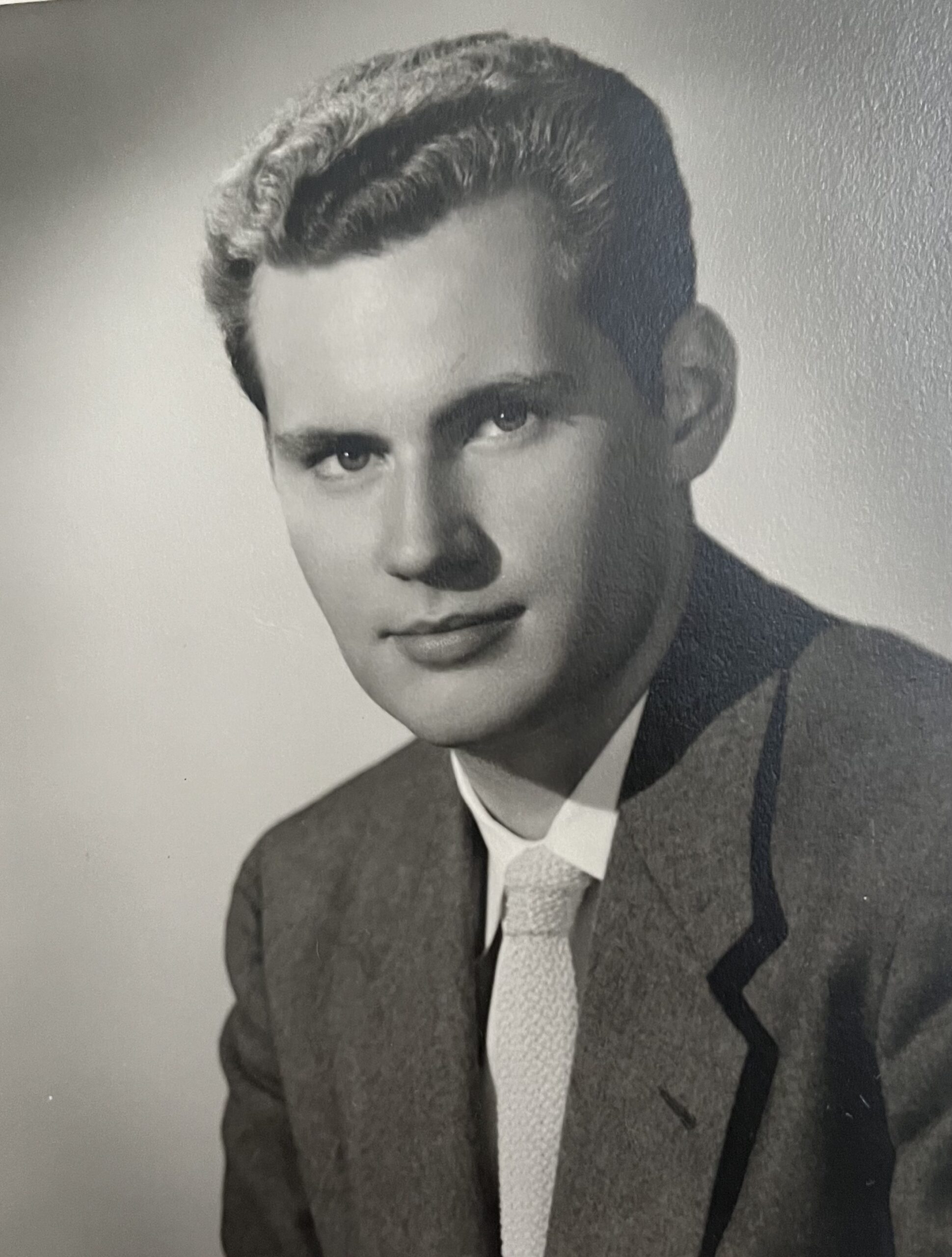
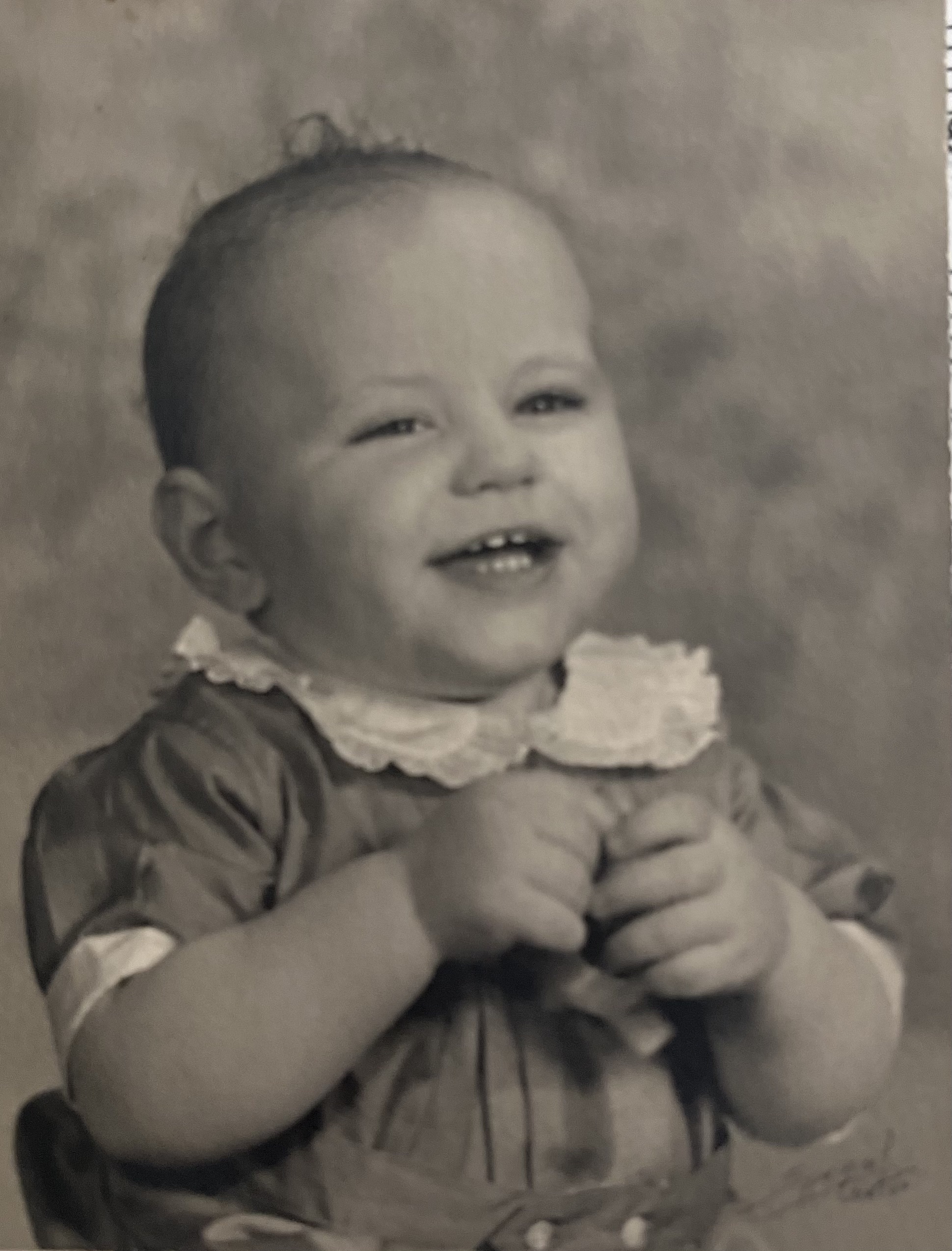
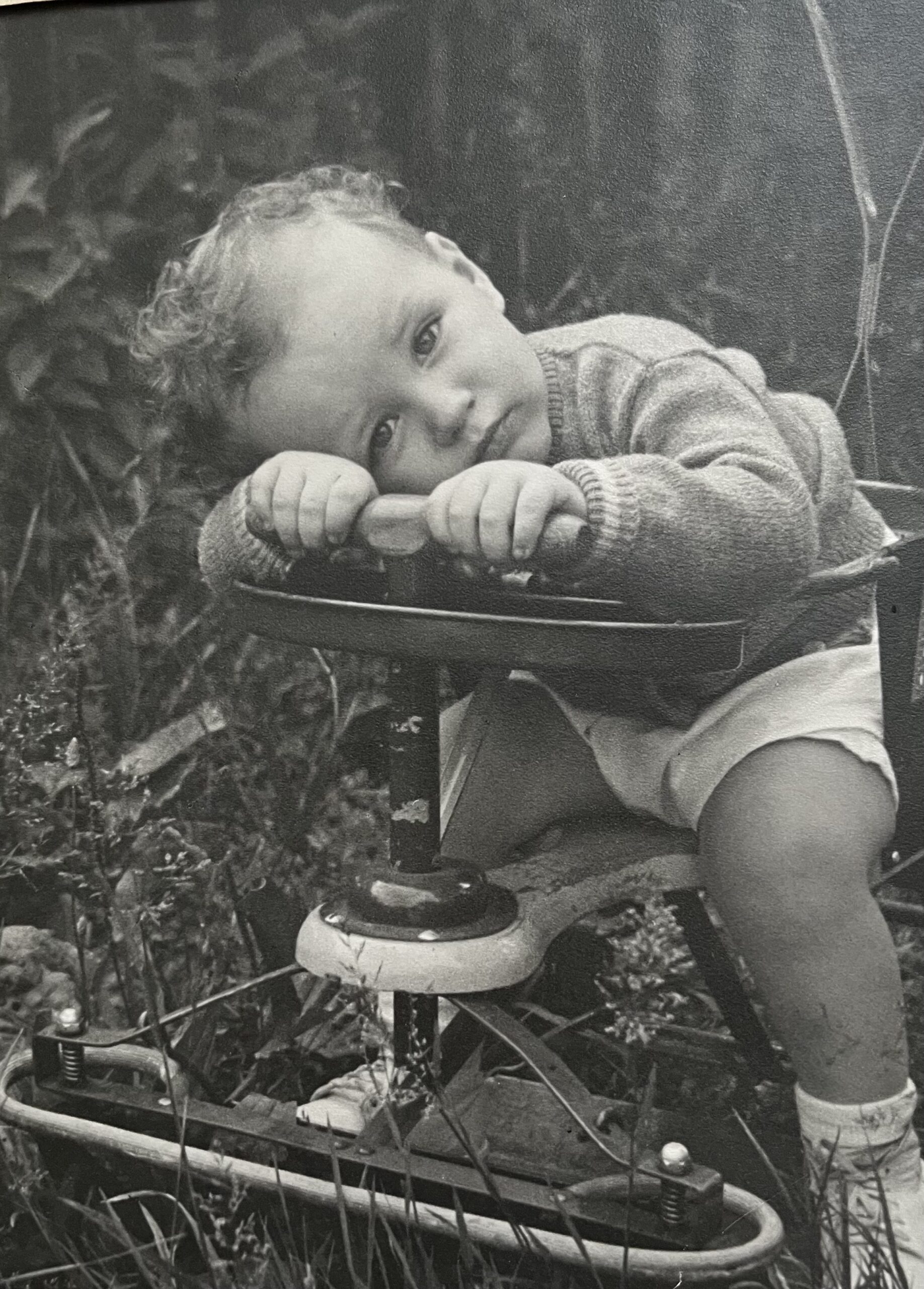
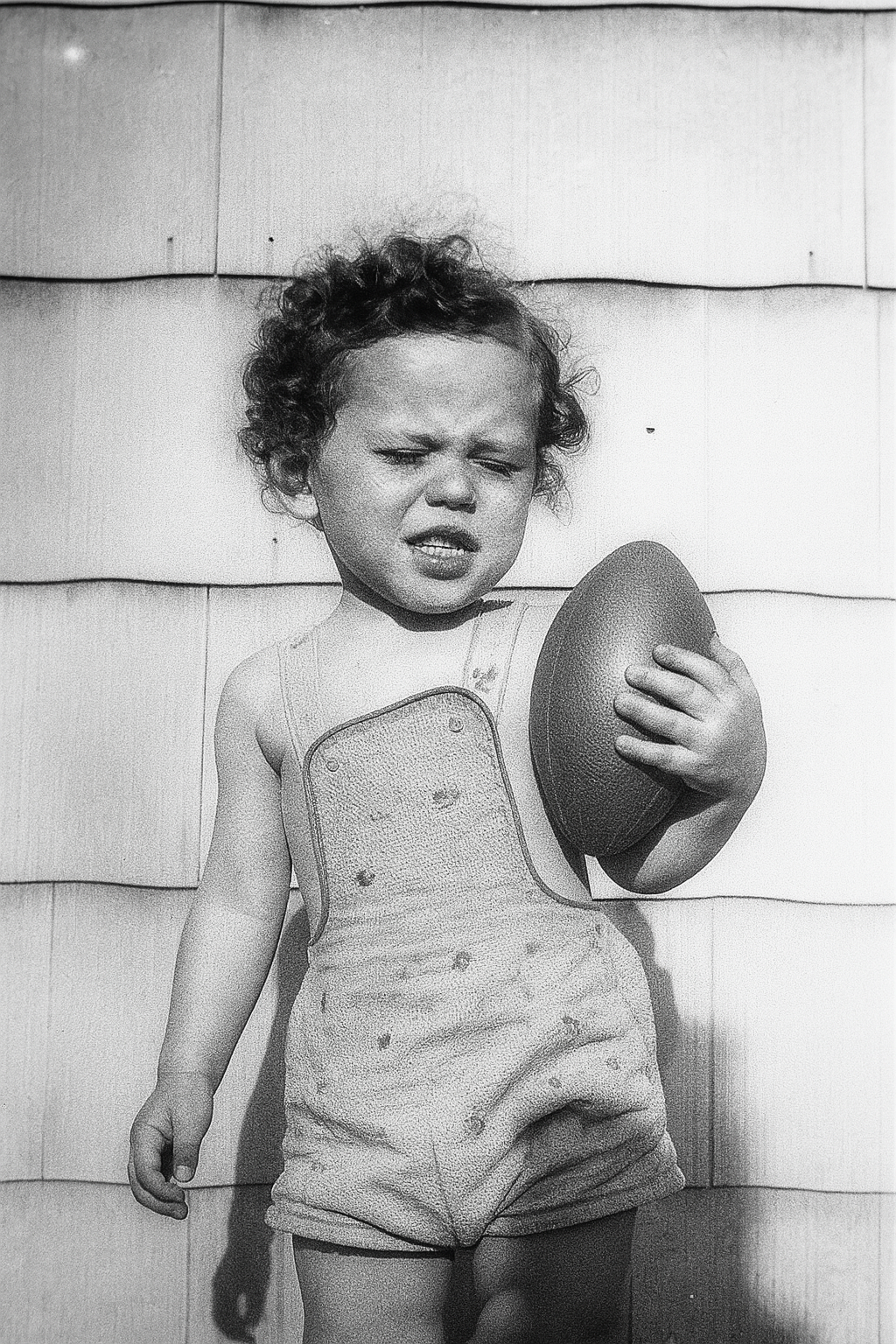
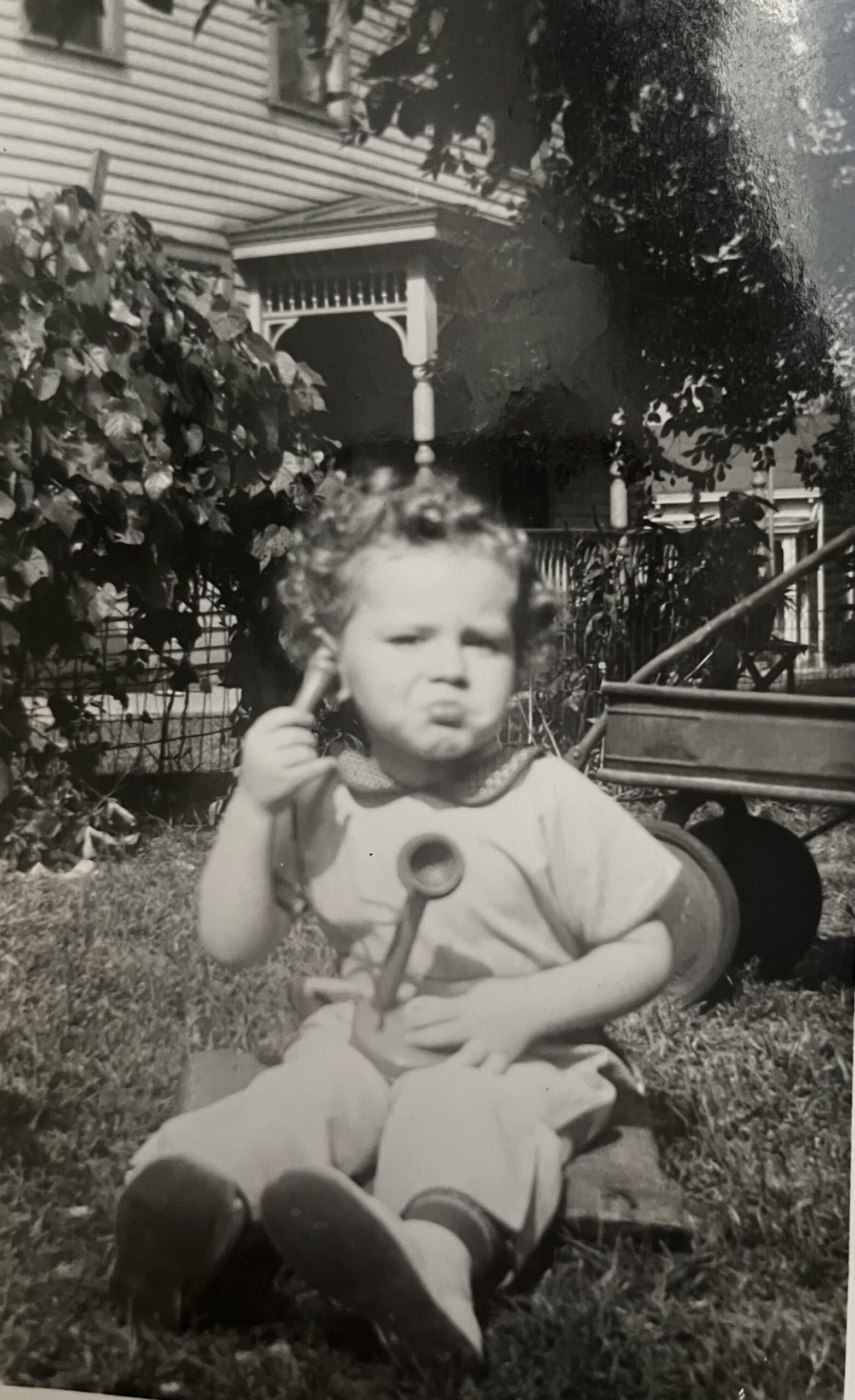
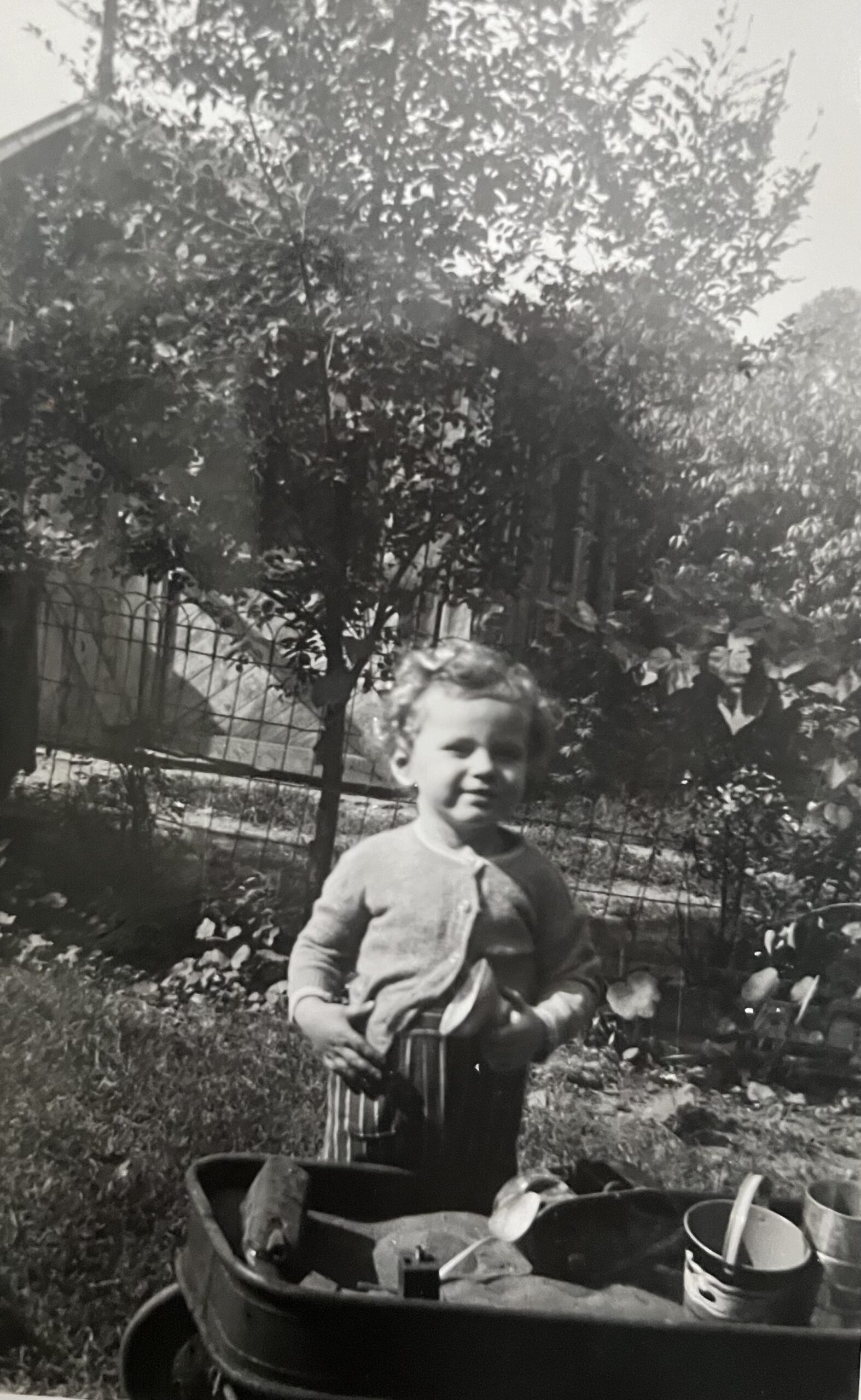
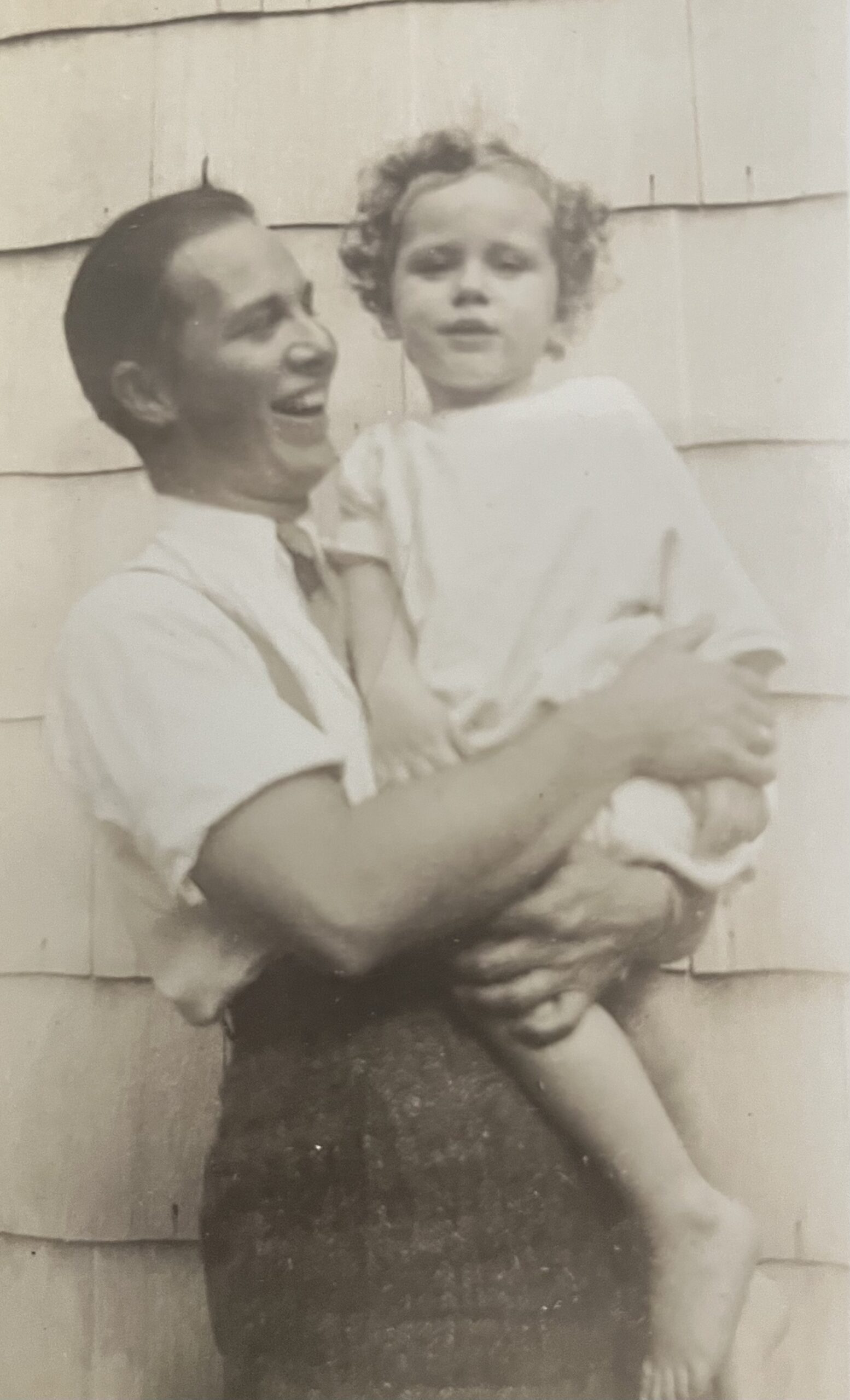
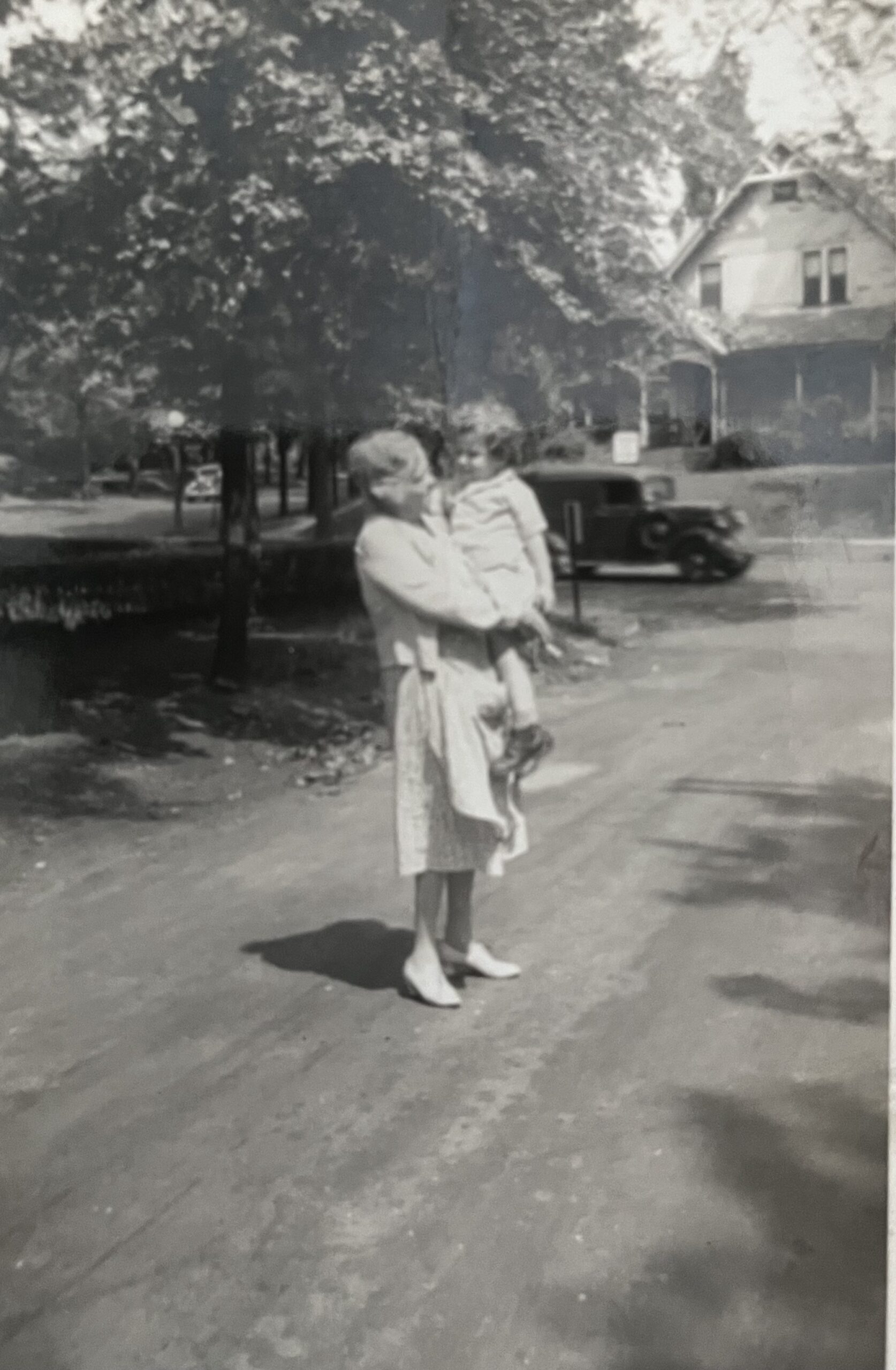
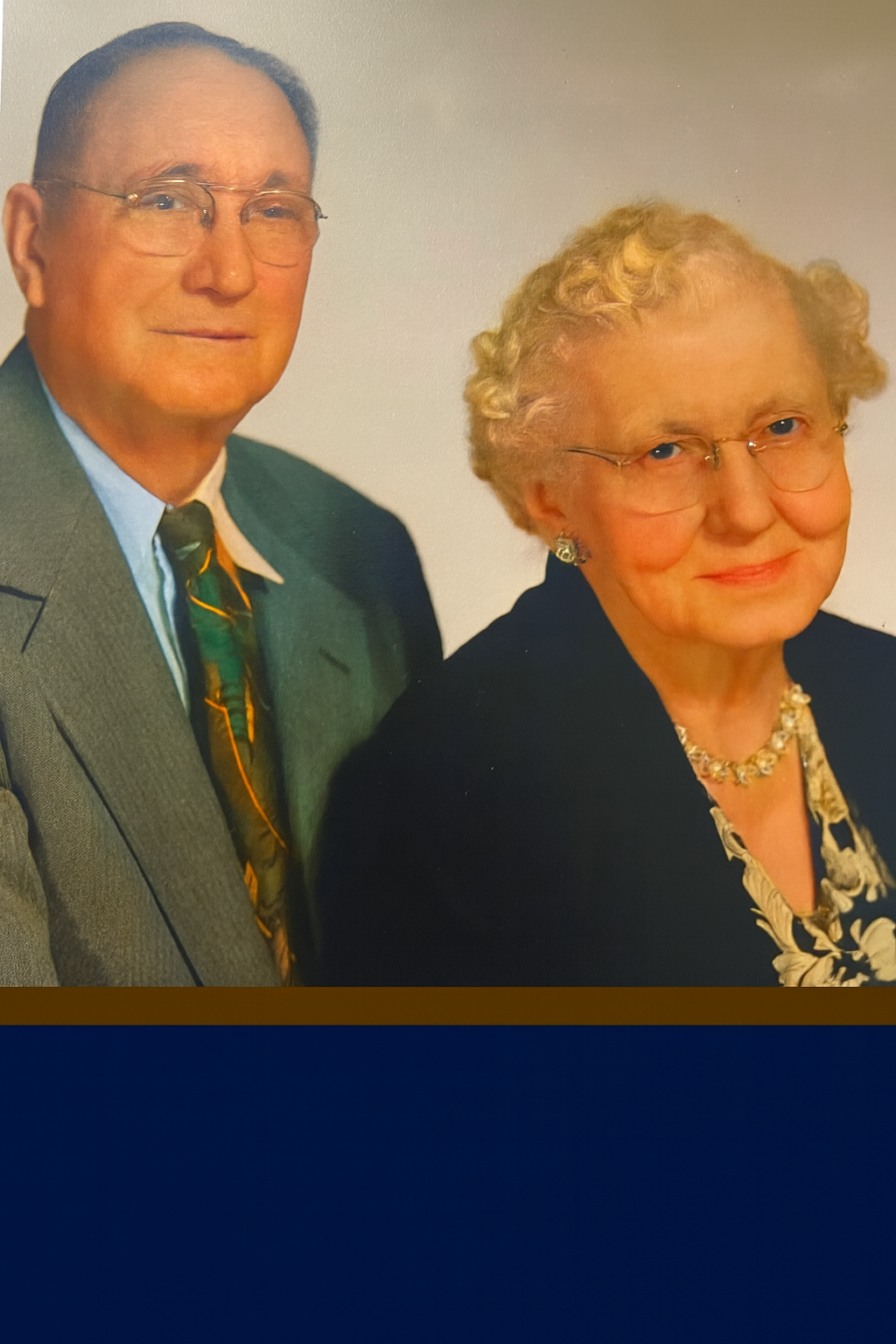
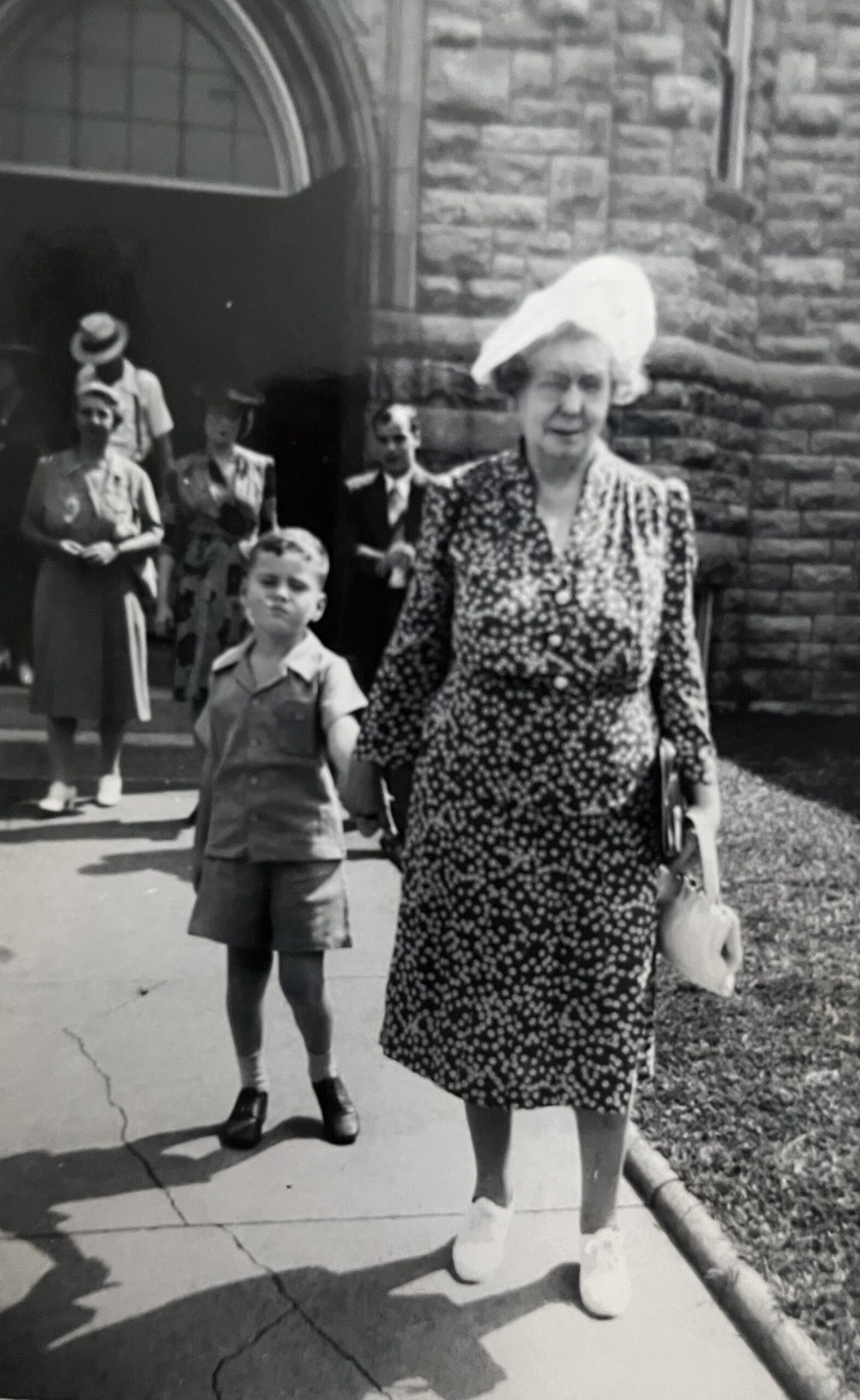
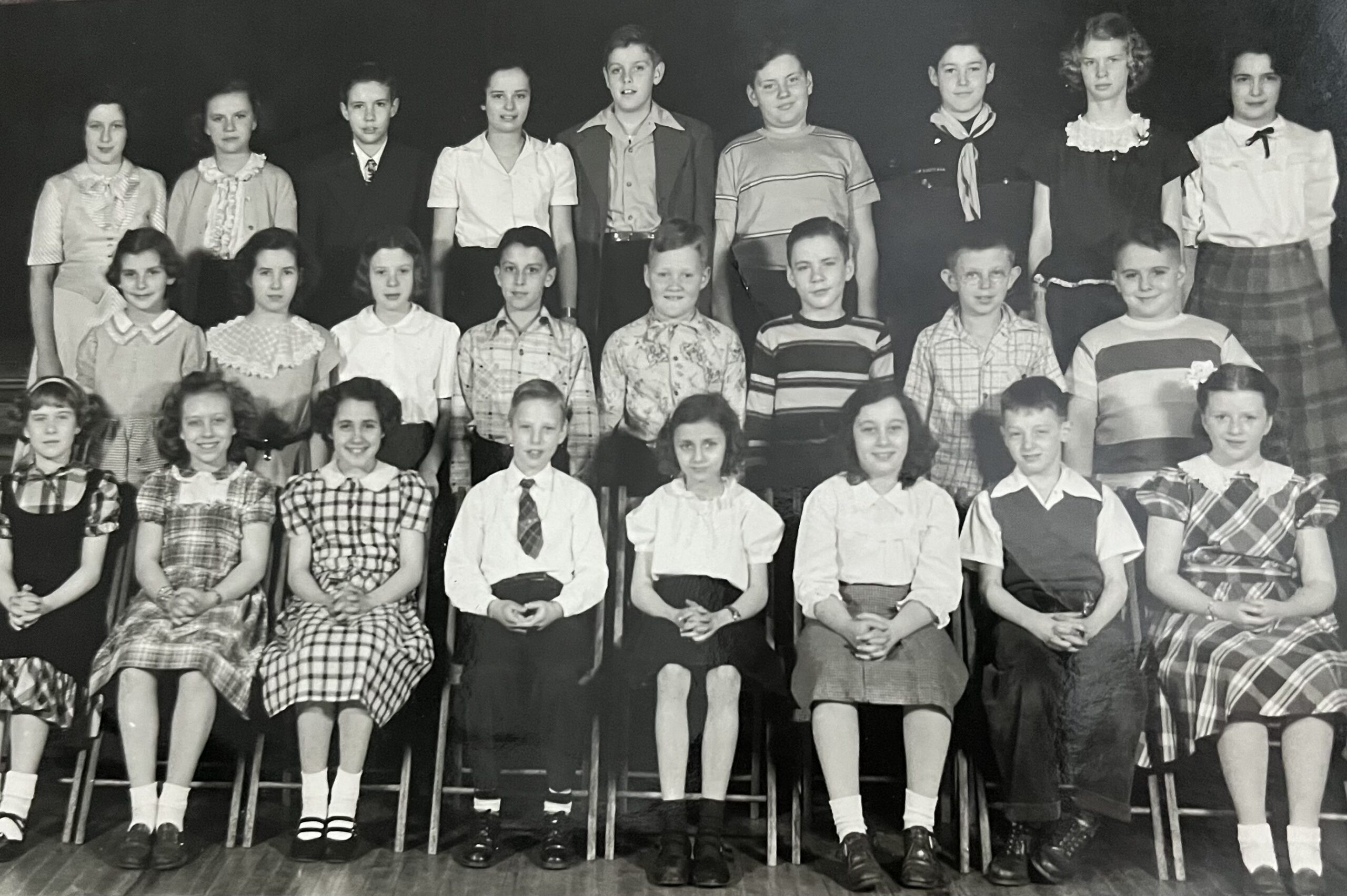
Phil was born in Canton, Ohio, December 16th, 1937 to Richard and Iva Kelly. Richard (“Dick”) was a successful executive for Timken Steel who also played banjo and guitar, composed and arranged and led a men’s choir in Canton. Iva was a professional violinist and vocalist on Cincinnati radio stations WCKY and WLWT, appearing on the “Moon River” program. He was an only child and grew up living with his parents and his father’s parents, Thomas and Daisy Kelly.
PK 1
PK 3
pk football
PK Phone
PK Wagon
PK Kid
PK Dog
PK Daisy
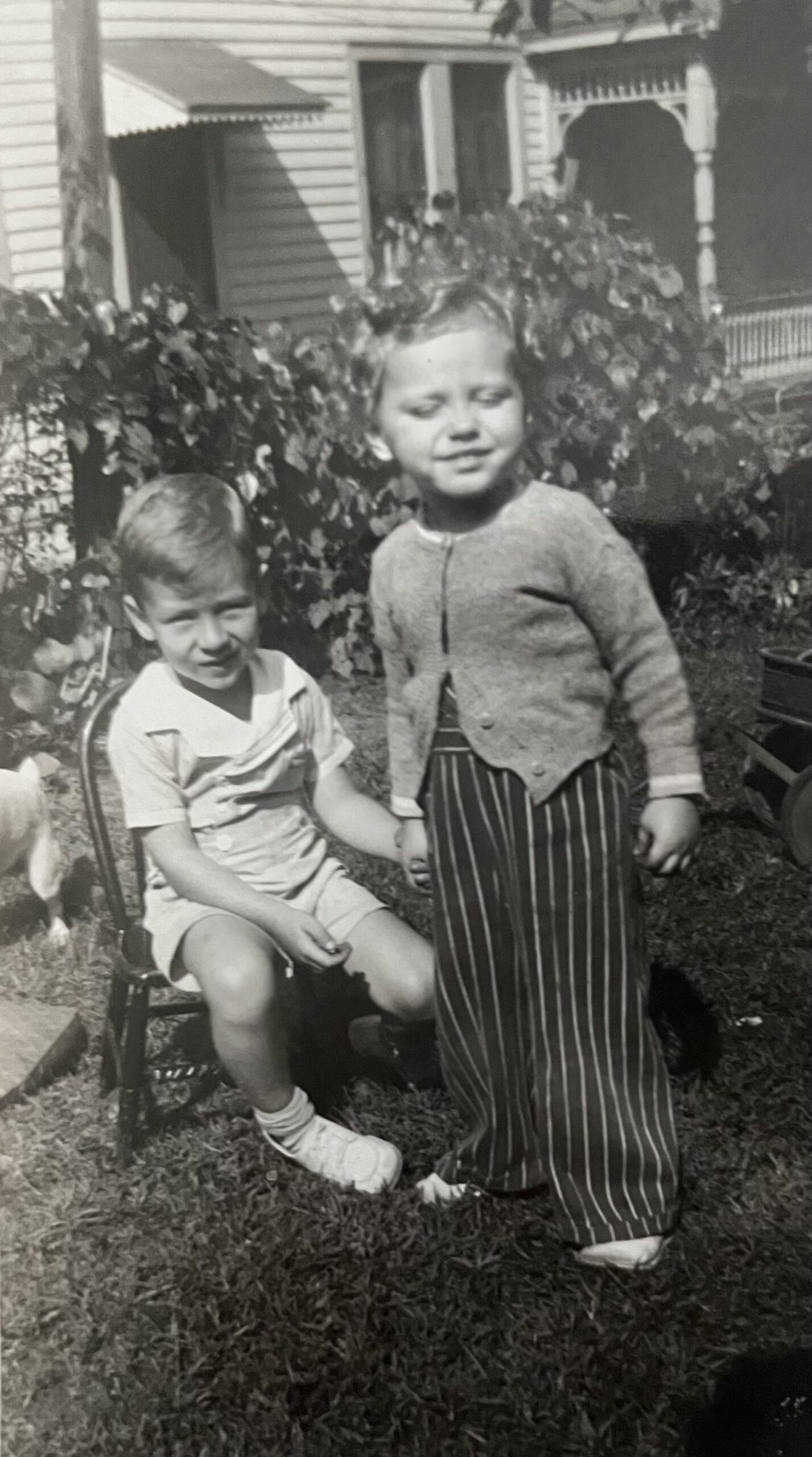
PK and pal
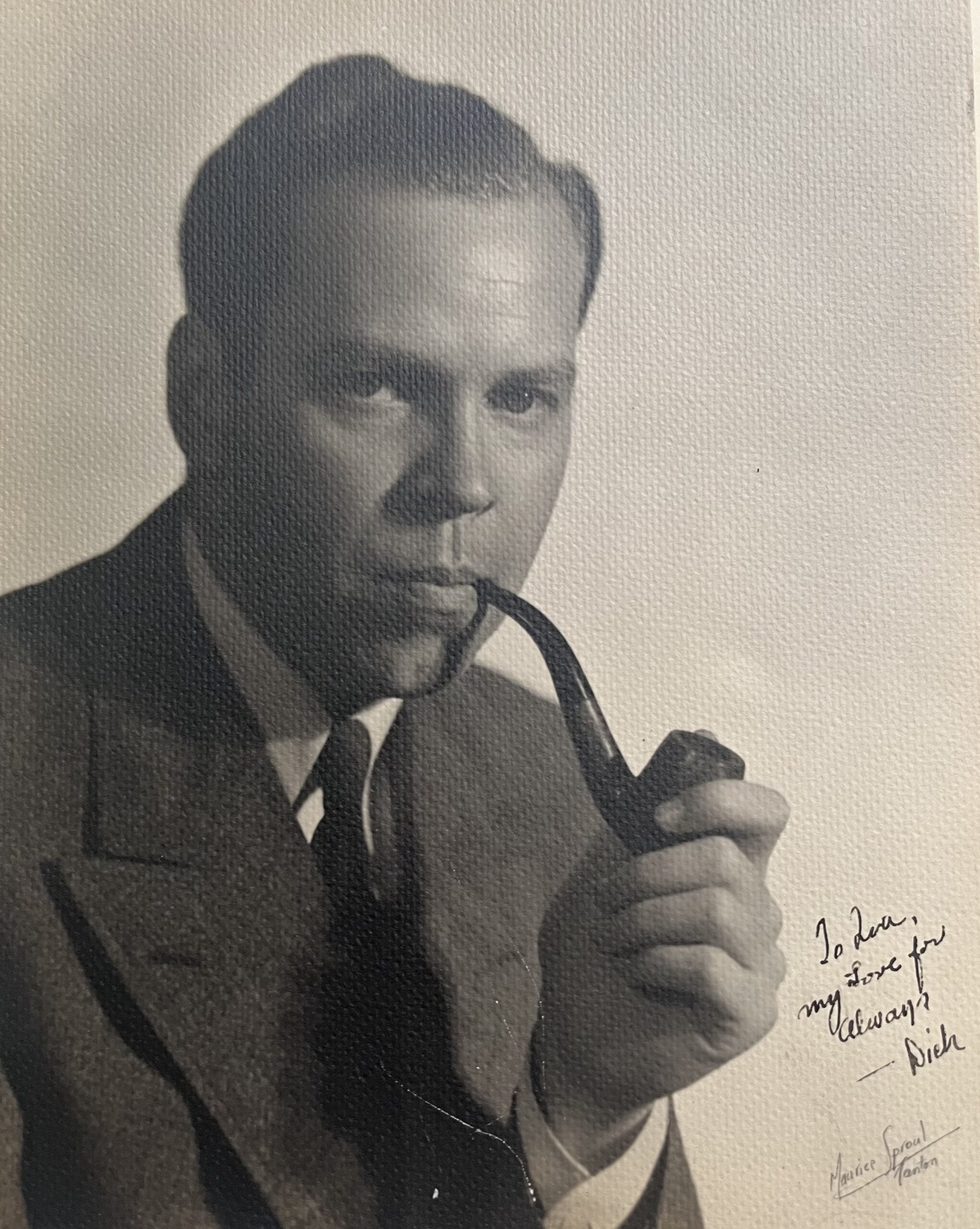
Dick Pipe
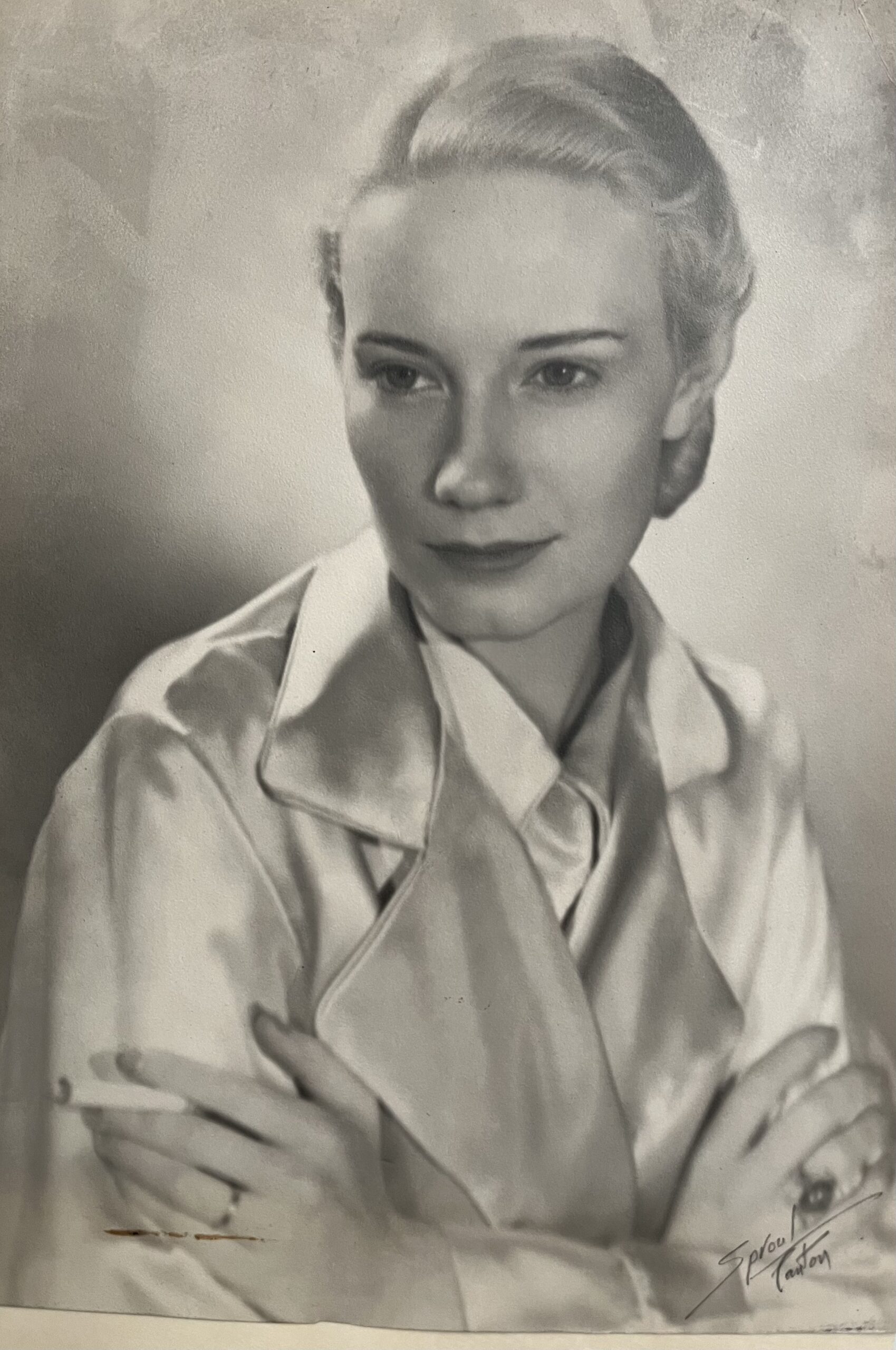
IMG_7160
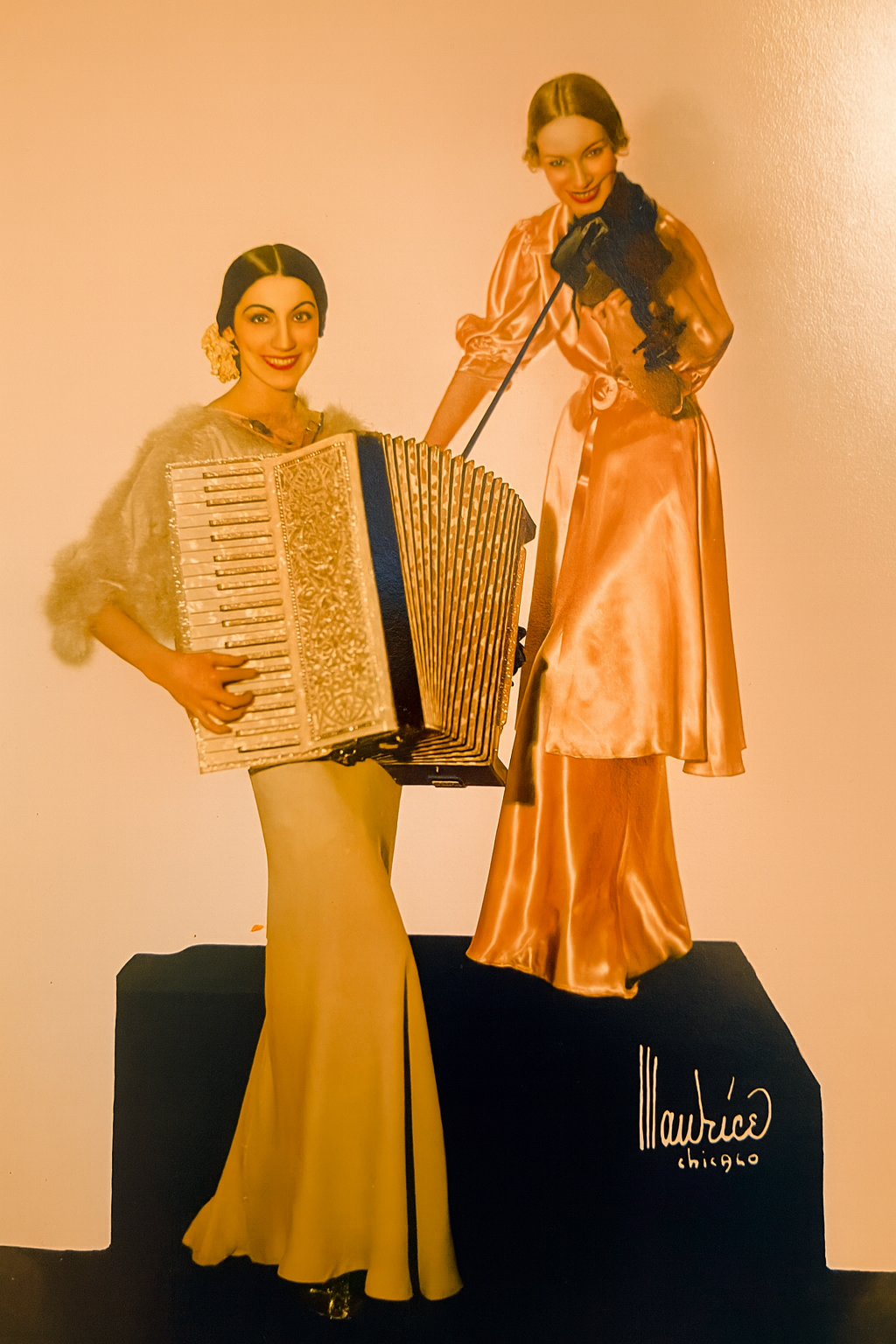
Iva and Accordionist
PK Grandparents
PK 10
PK grade school
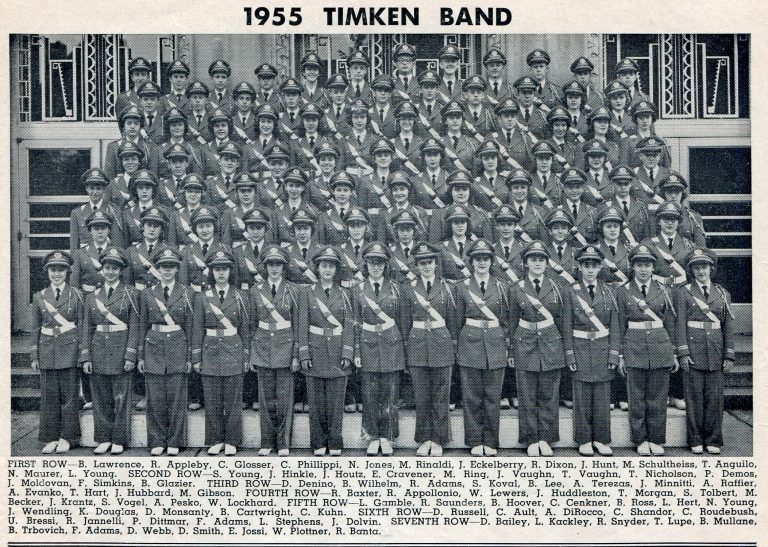
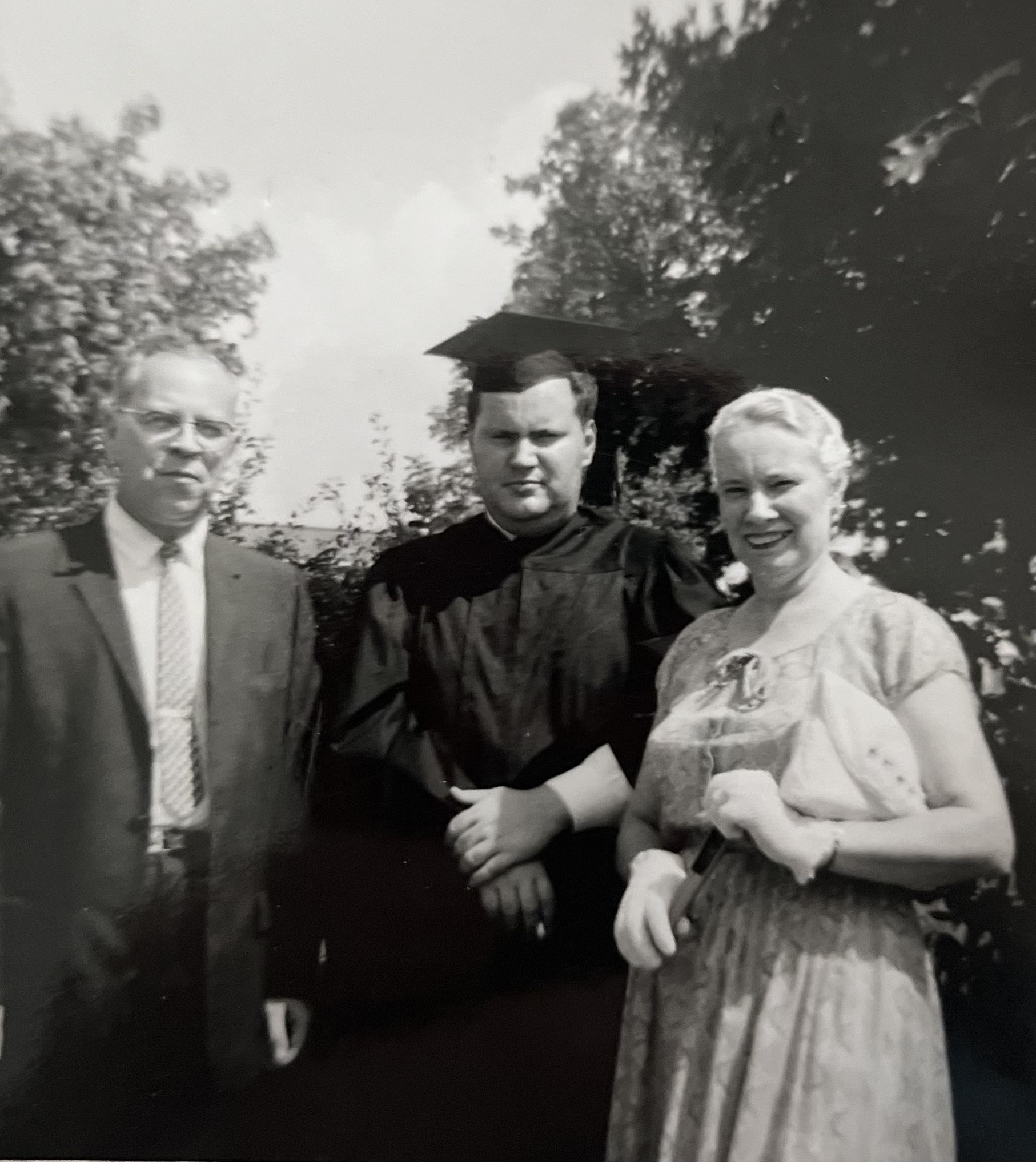
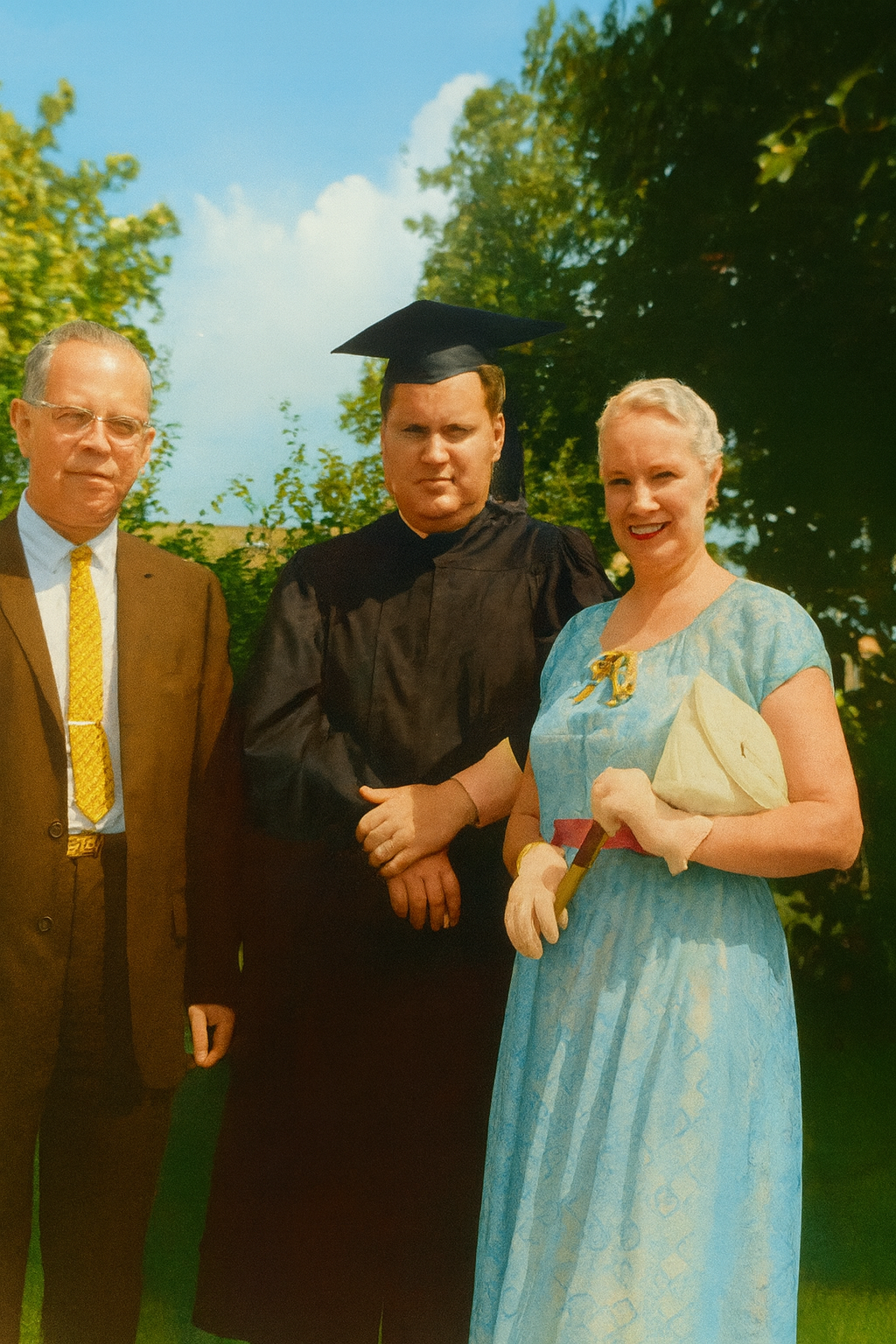
Phil Kelly’s high school years (1952-1955) at Timken Vocational High School in Canton were shaped by his band director Cecil “Cec” Armitage, who not only taught him his showmanship but also arranging (He “forced” Phil’s first paid arrangements when he was a junior.) “Cec” nurtured Phil’s introduction to the live music industry. Phil graduated from Timken as a valedictorian at the age of 17.
PK grade school
Timken-1955-band
Phil not pictured- he was in the band the previous year.
PK Grad
PK Color Grad
PK First Drum Set
pk car bw
pk car ai
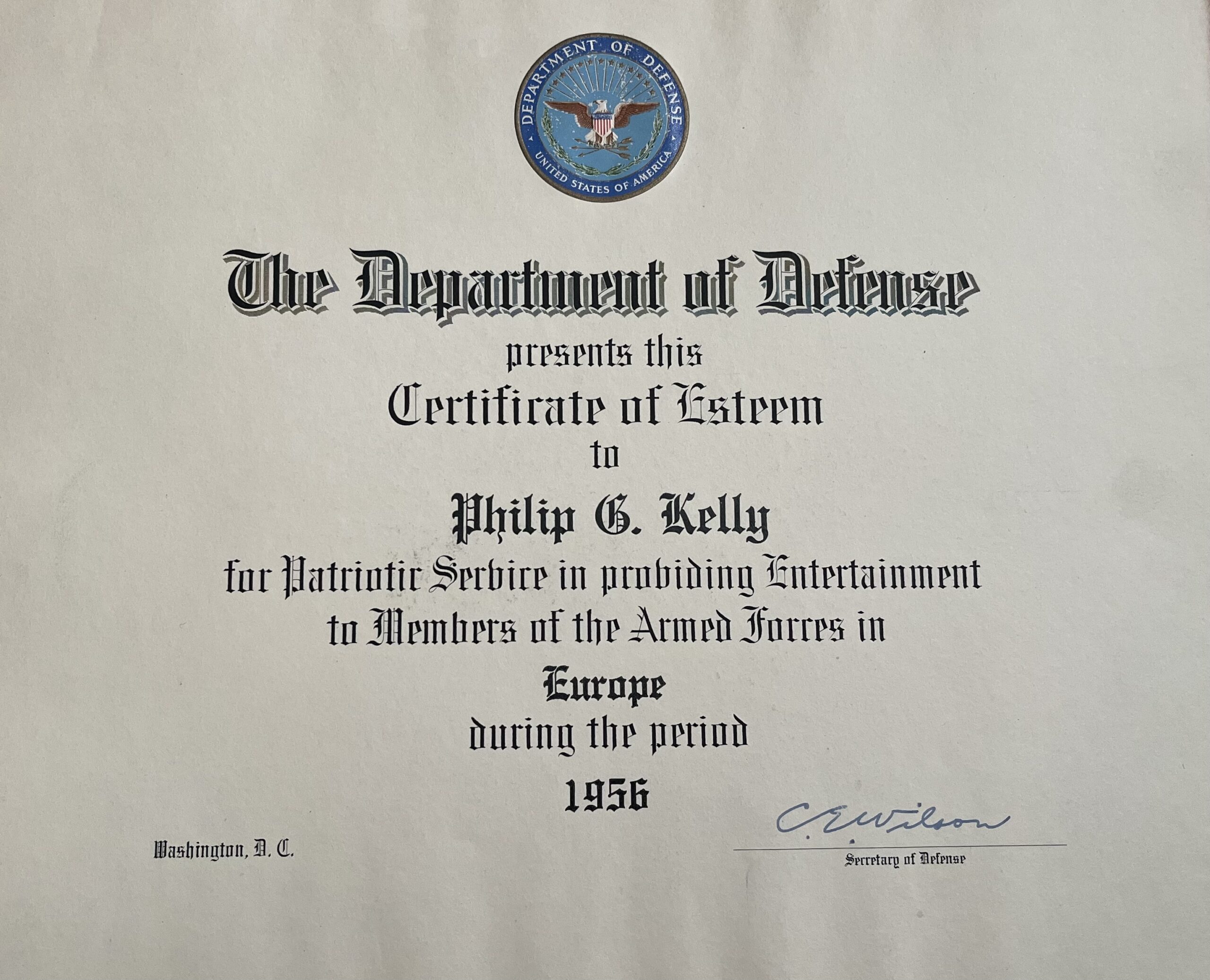
After graduating from high school, Phil briefly toured with the USO in Europe.
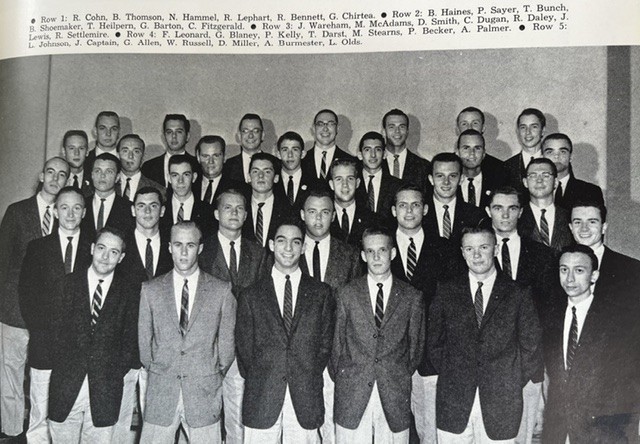
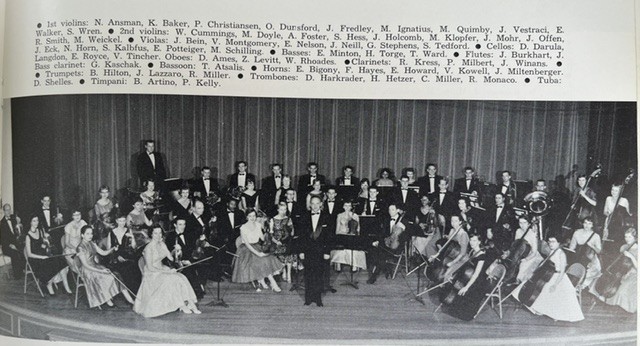
Phil pursued a major in graphic arts and a minor in music (1955-1959) at Miami University in Dayton, Ohio. Around this time Phil became aquainted with Maureen, who was a student from the Chicago Institute of Art (he married her December 26, 1959 in Cook County, Illinois).
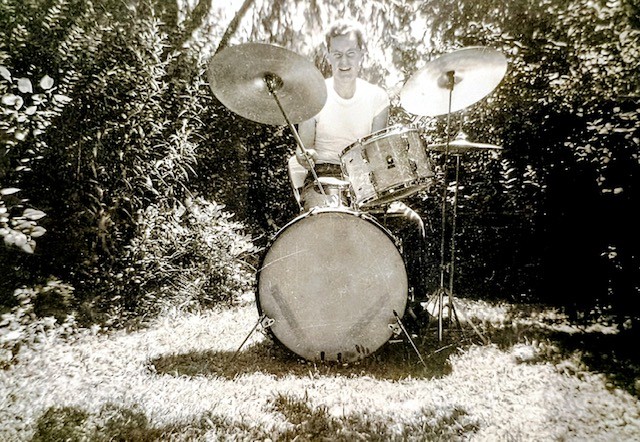
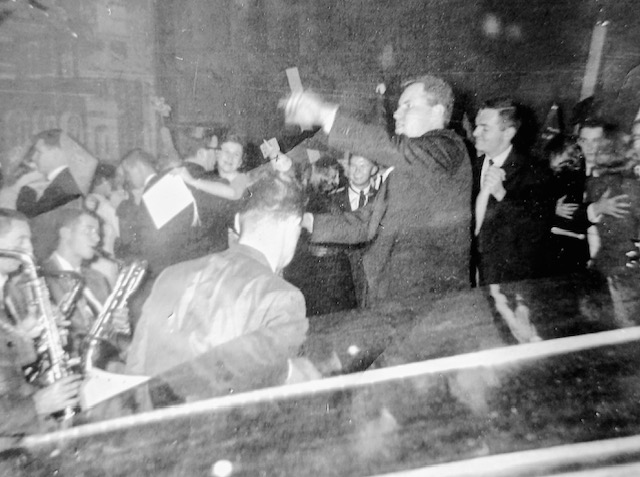
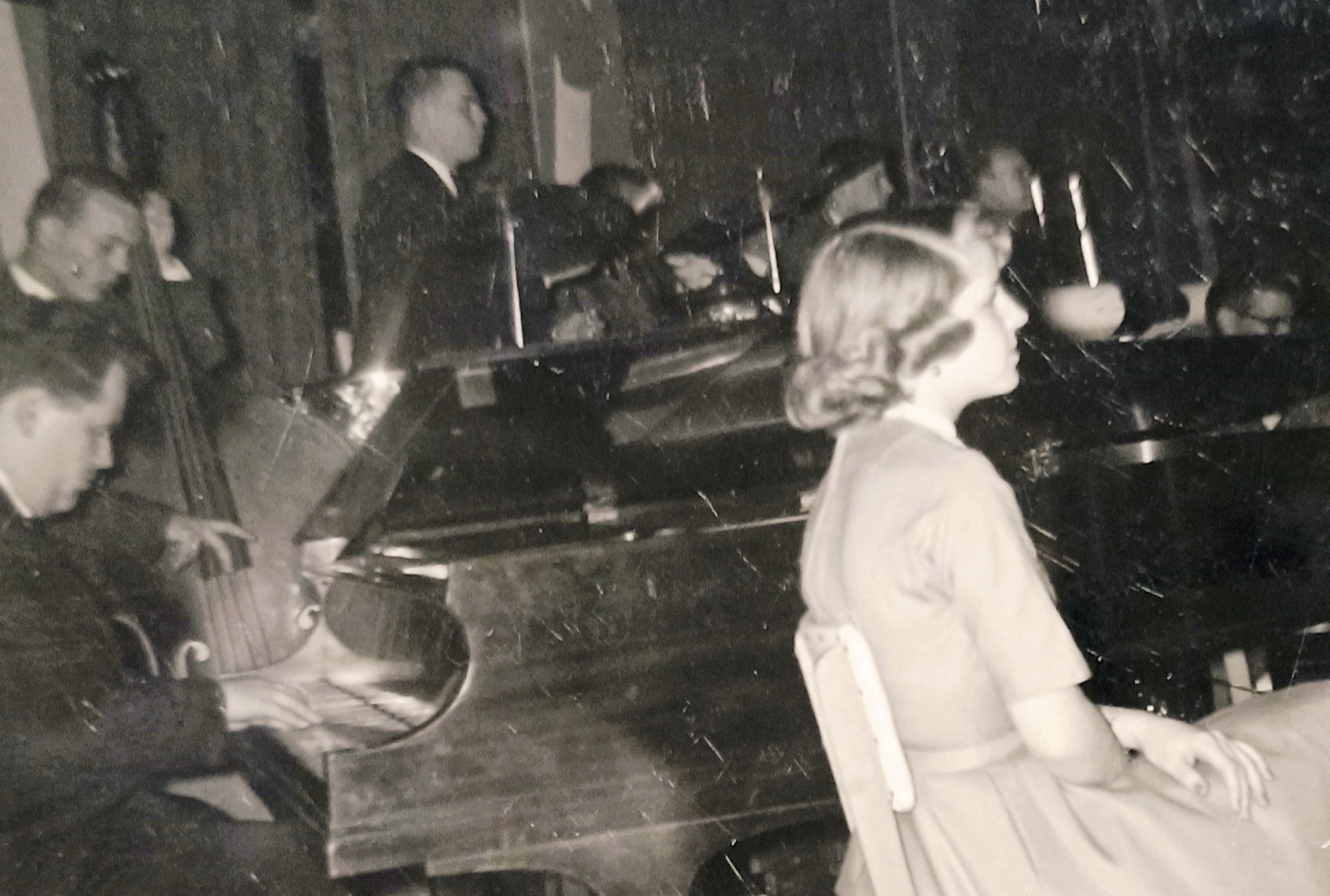
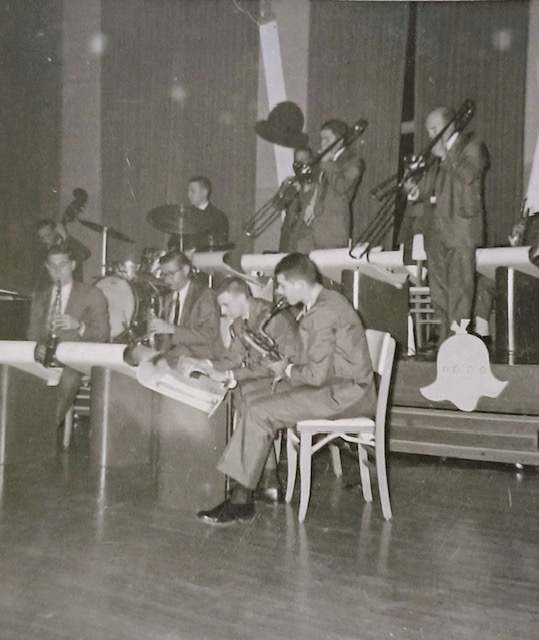
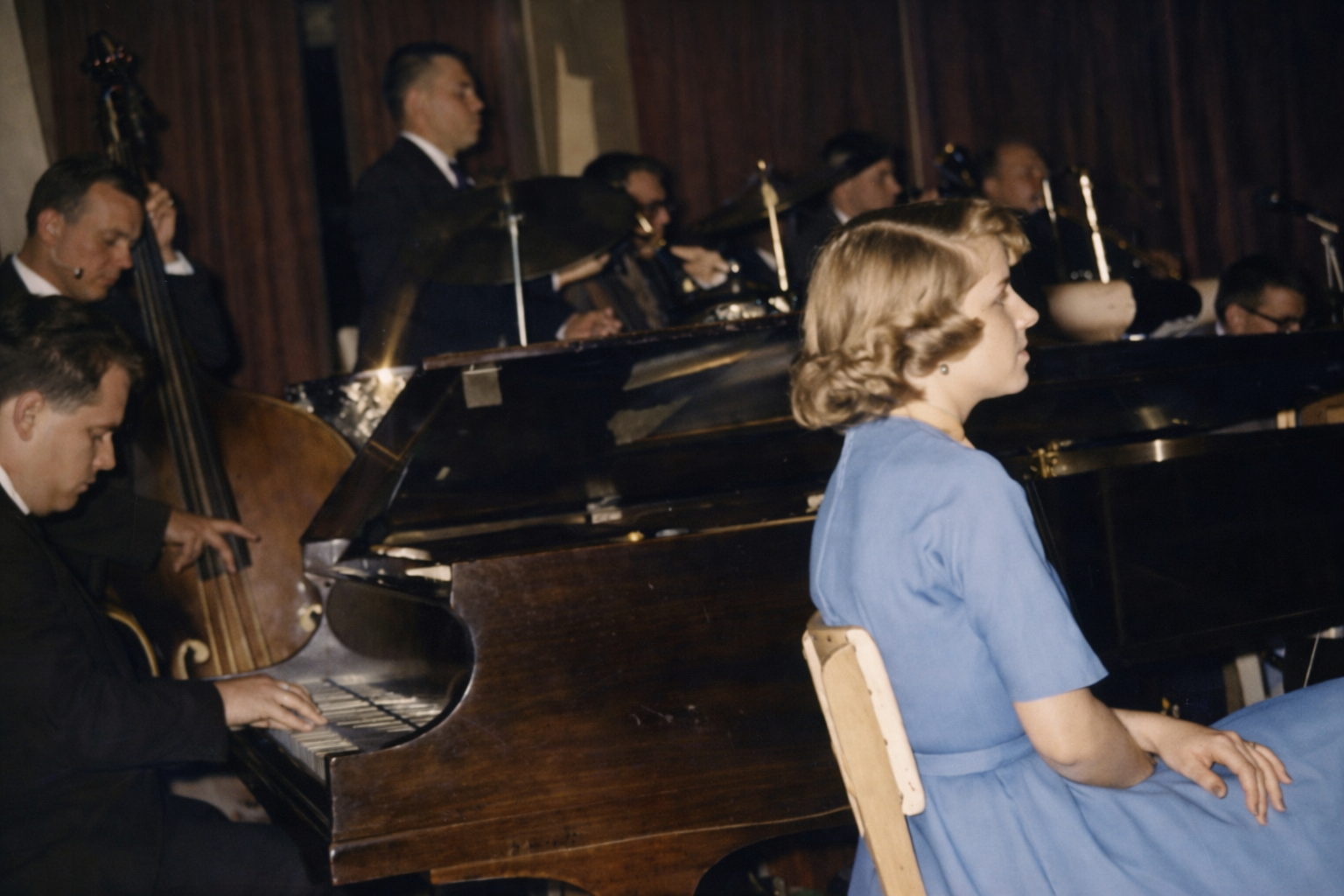
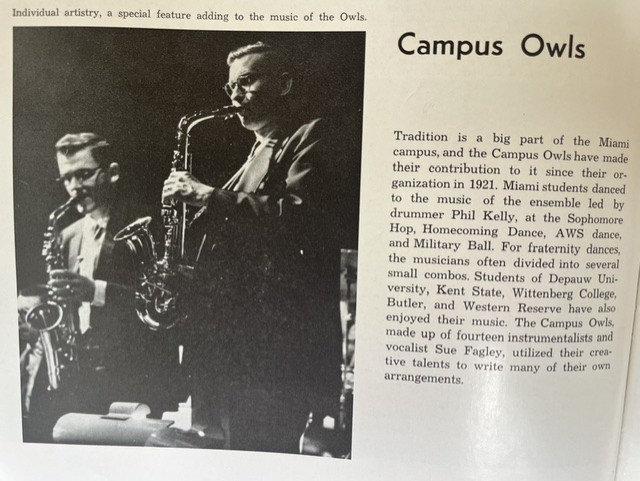
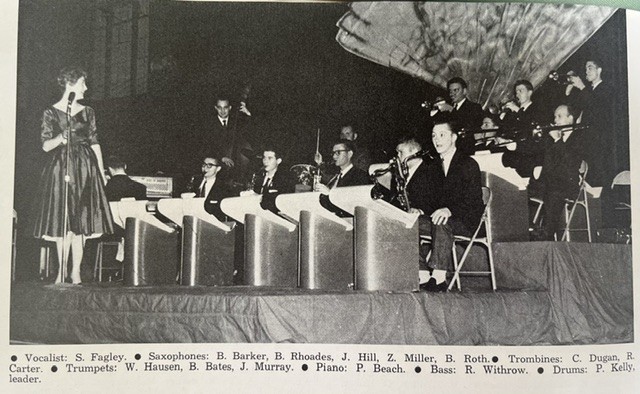
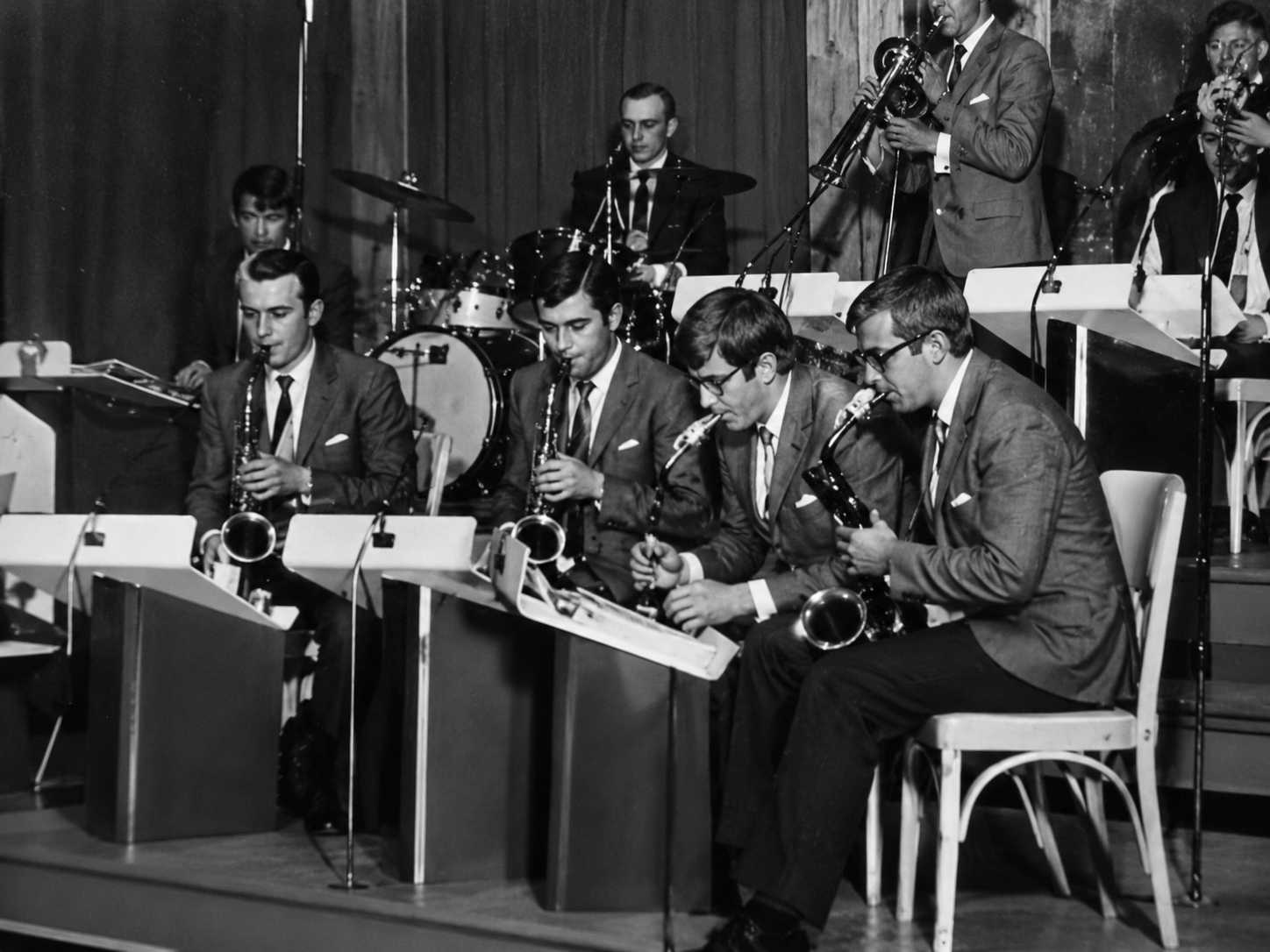
His time there was accentuated by his roles in the Campus Owl Band, a local dance band with a steady schedule. Phil played drums and arranged for the Campus Owls from 1955 to 1959, leading the band the final three years. Campus Owls players often fed directly into the pro music world—recording, touring, and teaching. Phil also took some classes at the Conservatory of Music in Cincinnati.
PK teen
PK wedding concert
pk piano bw
PK Owl Band
pk piano ai
pkfrat
pkmiamiorch
pkcampusowls2
pkcampusowls
campusowls
Between 1959 and 1964, Phil Kelly’s work in Ohio became, as he described it, “pretty spasmodic,” reflecting his transition from college into full-time professional life. During this period, he worked frequent gigs in Cincinnati and Newport, remaining deeply embedded in the region’s jazz and dance-band circuit while his career quickly expanded beyond Ohio. Phil performed with major touring orchestras led by Ralph Marterie, Billy May, Les Elgart, and Si Zentner, and also built a parallel career as an accompanist, arranger, and conductor for leading vocalists such as Mel Tormé and Buddy Greco. One of his earliest and most formative road associations was with Chicago singer-guitarist Frank D’Rone; Phil’s first engagement with D’Rone was a live recording at San Francisco’s Hungry i for Mercury Records in 1961, an early milestone that signaled the rapid growth of his national career. Phil and Maureen had two children during this period, Lauren and Brian.
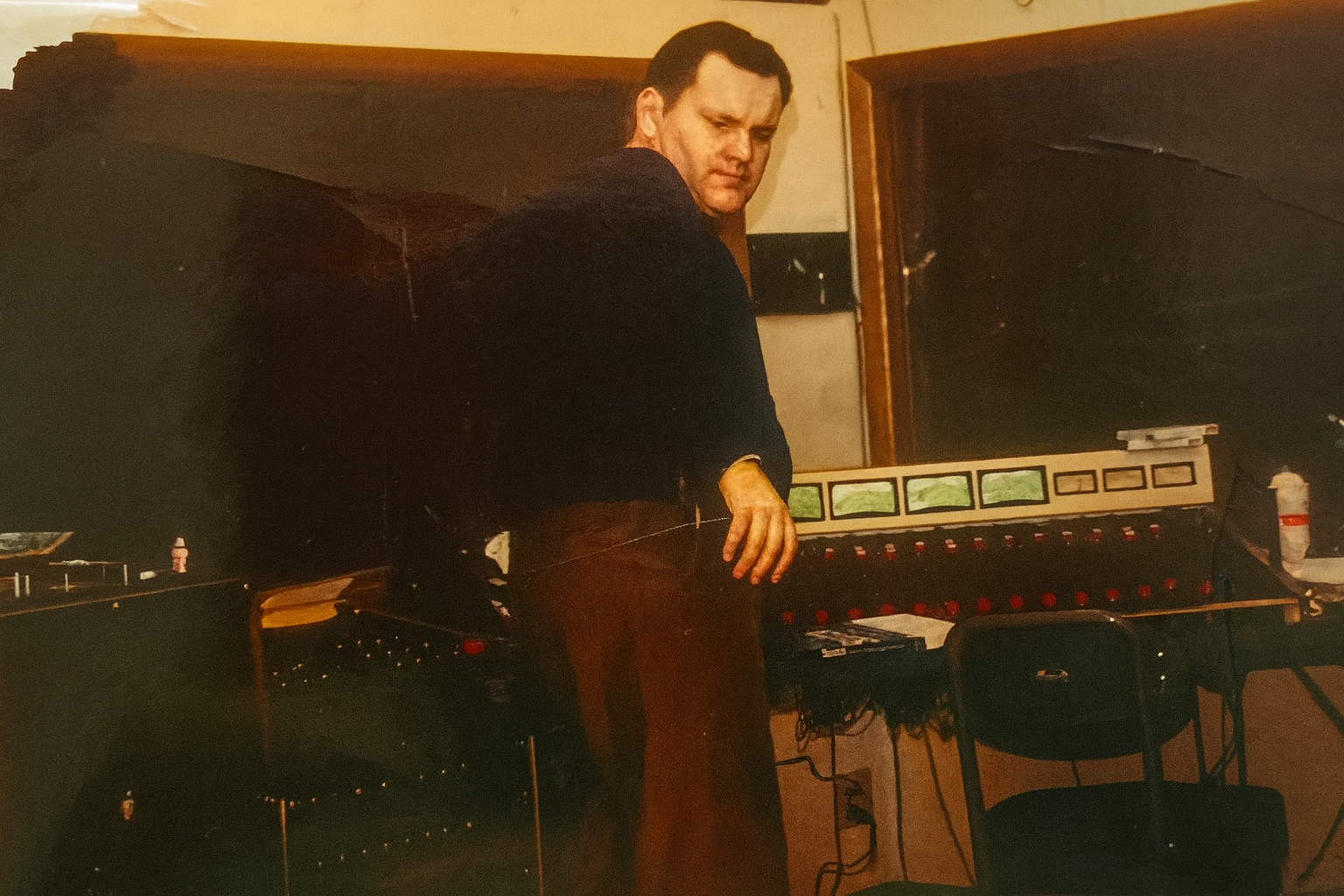
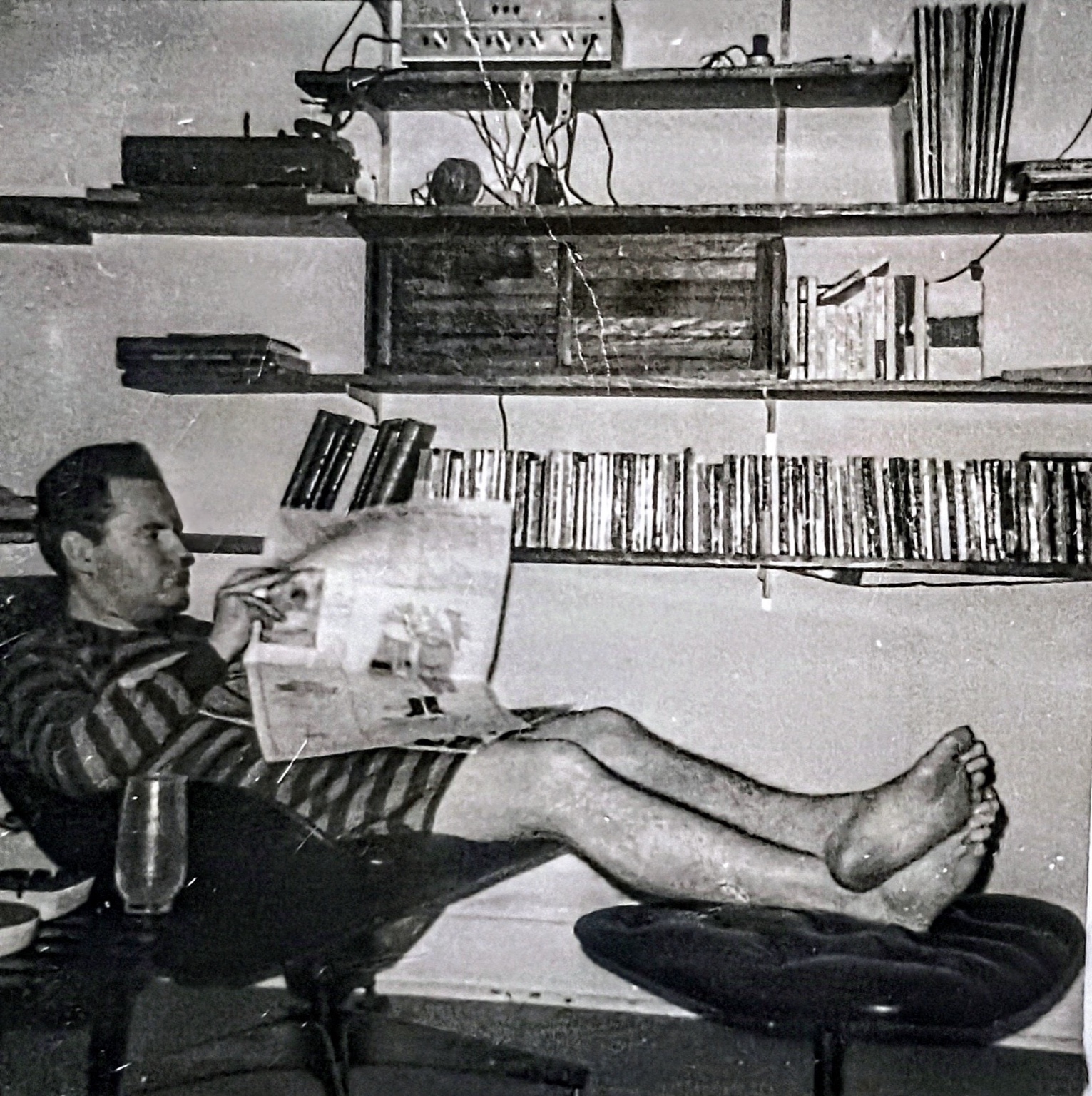
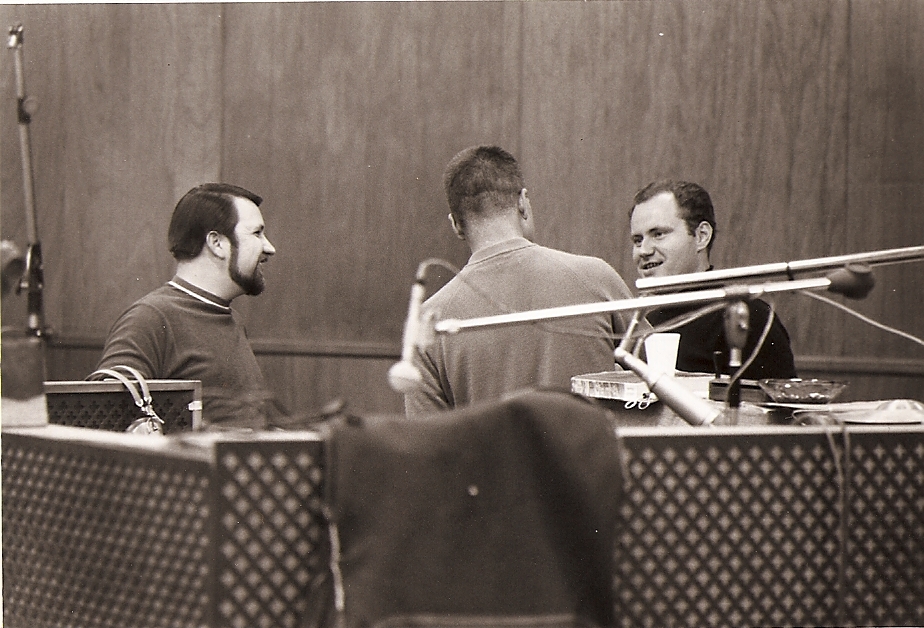
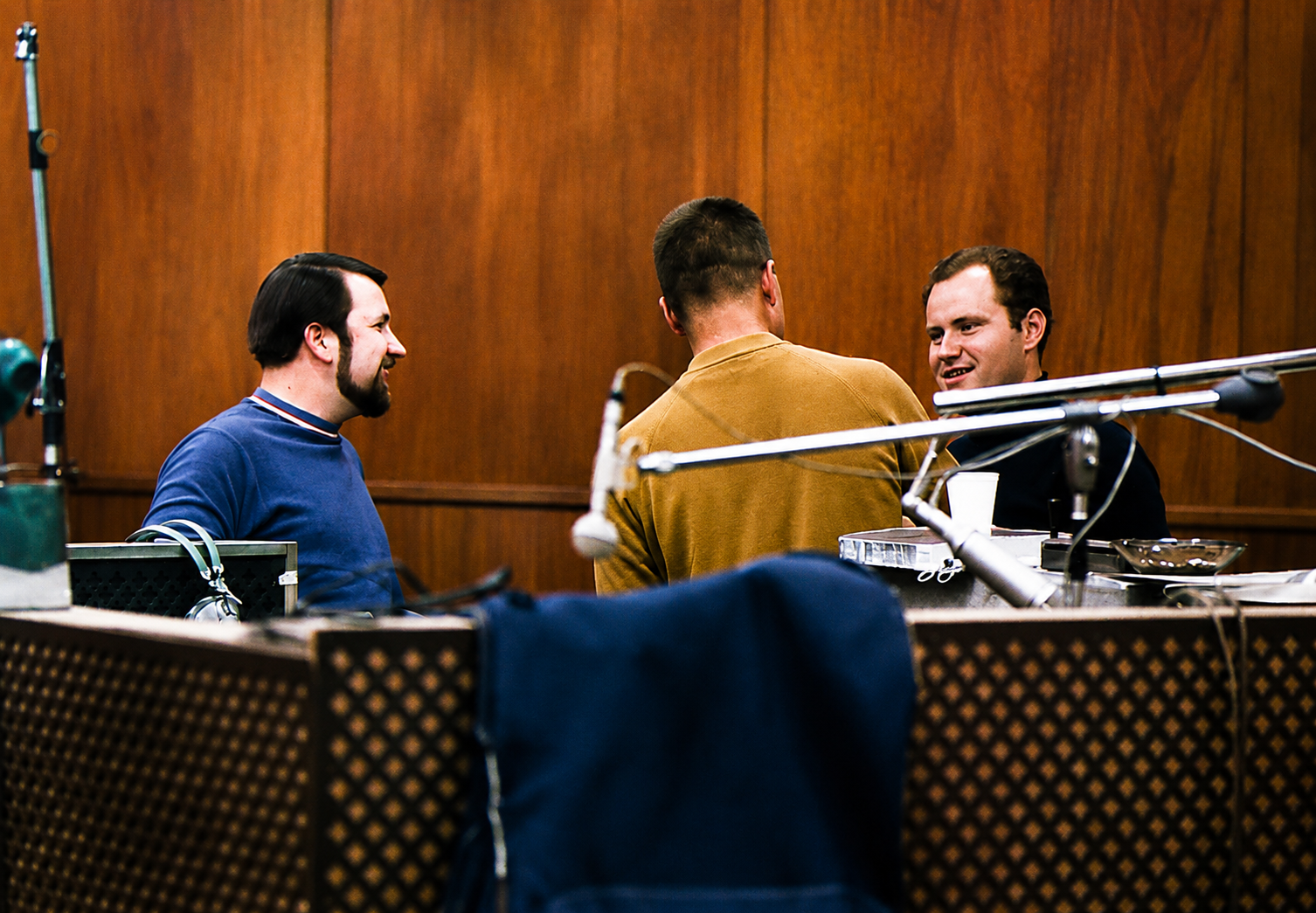
By 1963, Phil Kelly’s career was shifting decisively toward Dallas. Touring in Indianapolis, Phil invited vocalist Trella Hart to join Don Jacoby’s band as it headed south. They both discovered they loved Dallas, a city that was rapidly becoming a hub for working musicians. Around the same time, Ernie Chapman helped Phil find a rental house on Binkley Avenue across from Southern Methodist University. After settling in, Phil committed himself to learning the music business in Dallas by taking night jobs and playing constantly.
PK Studio AI
pk himself bw
pk himself ai
RTutt:PRutherford:PKelly
Studio_Scene_Technicolor
pkmannalbum
PK photo on wall
PK Youtube Hero
PW BW promo
PK with Doc Severinsen
docandband
60srecordingstudio
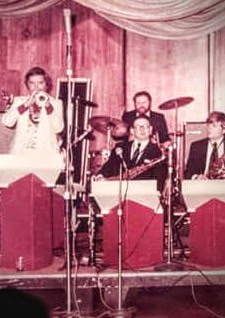
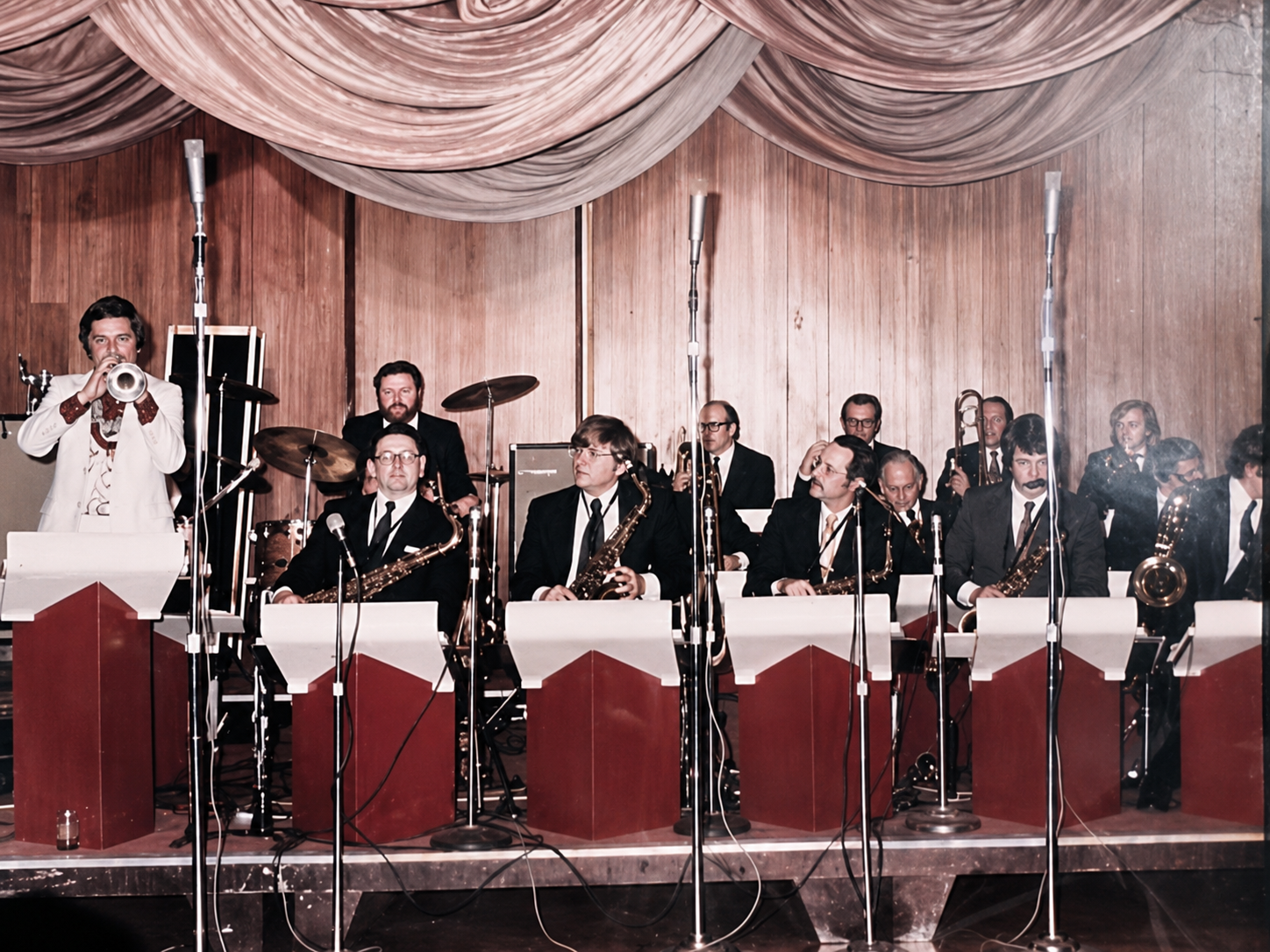
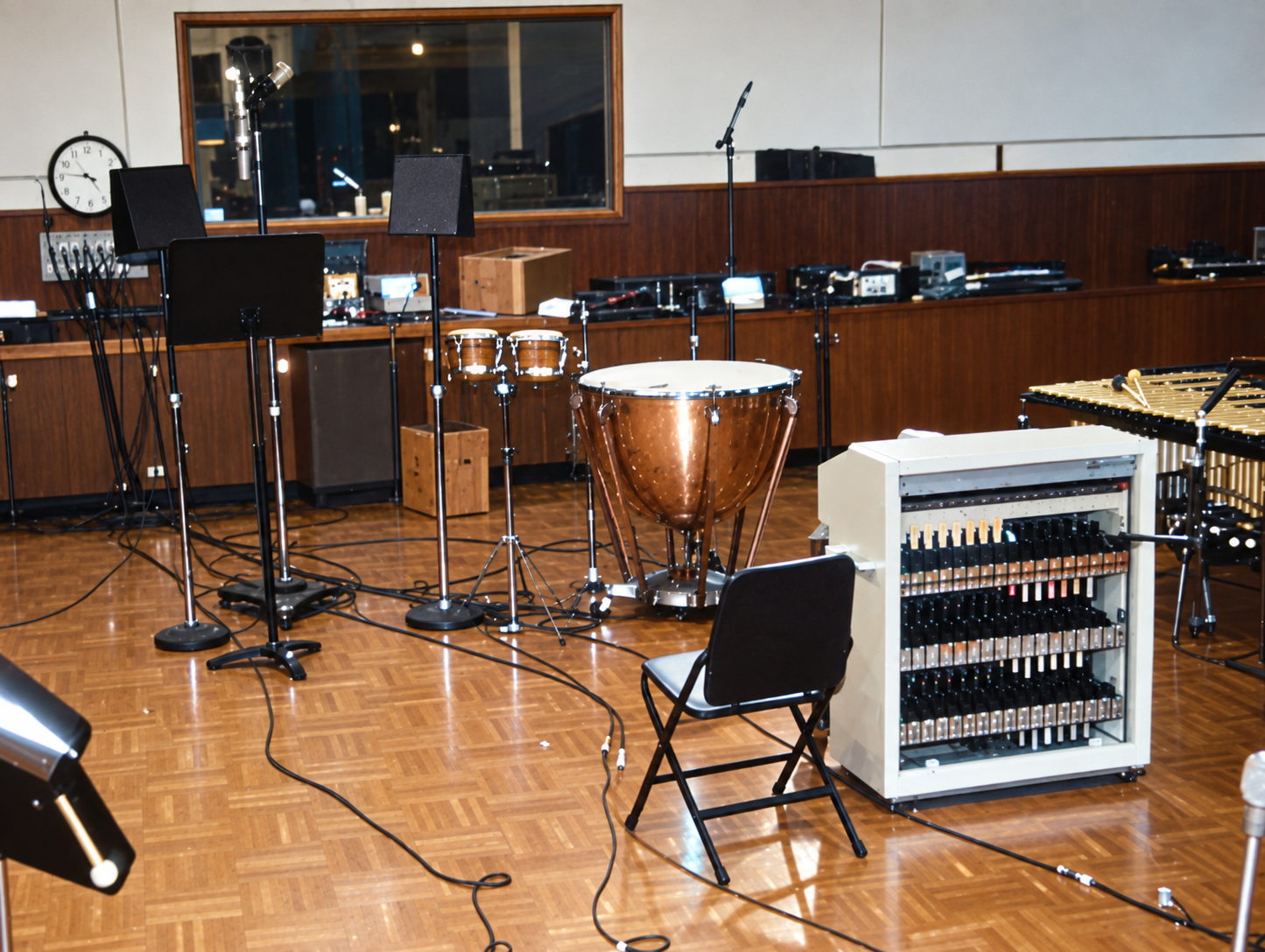
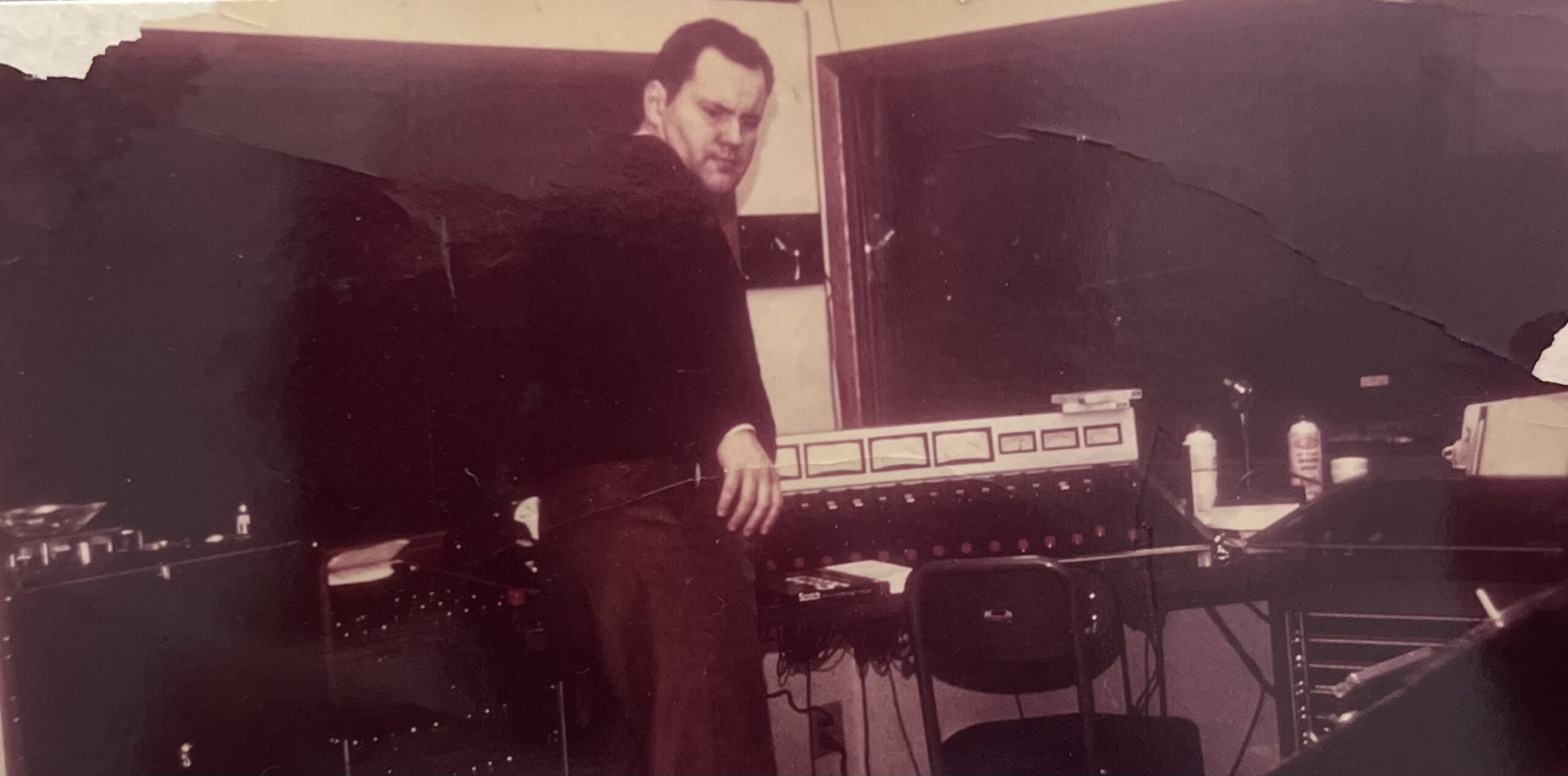
Phil Kelly’s Dallas career unfolded over the next three decades as a long, remarkably complex and varied body of work, arranging and composing for hundreds of firms across commercial music, radio jingles, film scoring, industrial shows, jazz arrangements, orchestral pops arrangements, and broadcast production. In his first year in Dallas, Phil began doing ghostwriting for TM Productions under the mentorship of Tom Merriman, along with work for PAMS and Bobby Farrar, before spending roughly four years at International Recording Inc., where he worked on jingles, films, and whatever projects came along. He later joined Pepper & Tanner under Larry Muhoberac, producing film and videotape spots while continuing to write music. Phil began to meet and employ players from the One O’ Clock Lab Band at what was then known as North Texas State University, and became close friends with band leader Leon Breeden. In the late 60’s he briefly headed to California in an ill-timed attempt to break into the LA market before returning to Dallas in 1971 to run his own company, producing films, jingles, industrial music, and occasional records, although he kept his ties in Los Angeles for future opportunities. Phil’s work intersected with other major production houses like SPOT Productions, JAM Creative Productions, Kenneth Sutherland Productions, and Fee Seize Music Productions. Phil often recalled his years at TM as a formative creative peak, working in a high-output environment on Regal Row where multiple studios ran five days a week producing radio jingles, television commercials, industrial films, and convention music. Collaborating with an extraordinary circle of Dallas talent—too many to name but including Whitey Thomas, Trella Hart, Ron Jones, Don Thomas, Benita Arterberry, Bruce Wermuth, Bud Guin, Frank Hames, Dan Wojciechowski, Kay Sharp, Abby Holmes, Annagrey Brooks Weichman, Randy Lee, Jim Riggs, Chuck Mandernach, Jim Clancy, Greg Clancy, Pat Coil, Paul Leim, John Osborne, Pete Brewer, Linda Harmon, Jay Saunders, Rodney Booth, Keith Jourdan, Mark Menza, John Nitzinger, John Rutledge, David Butler, Jack Evans,Lou Fischer, Ken George, Ernie Chapman, Bill Guthrie, Fred Crane and many others- Phil helped shape a golden era of Dallas commercial music.
PK 60s
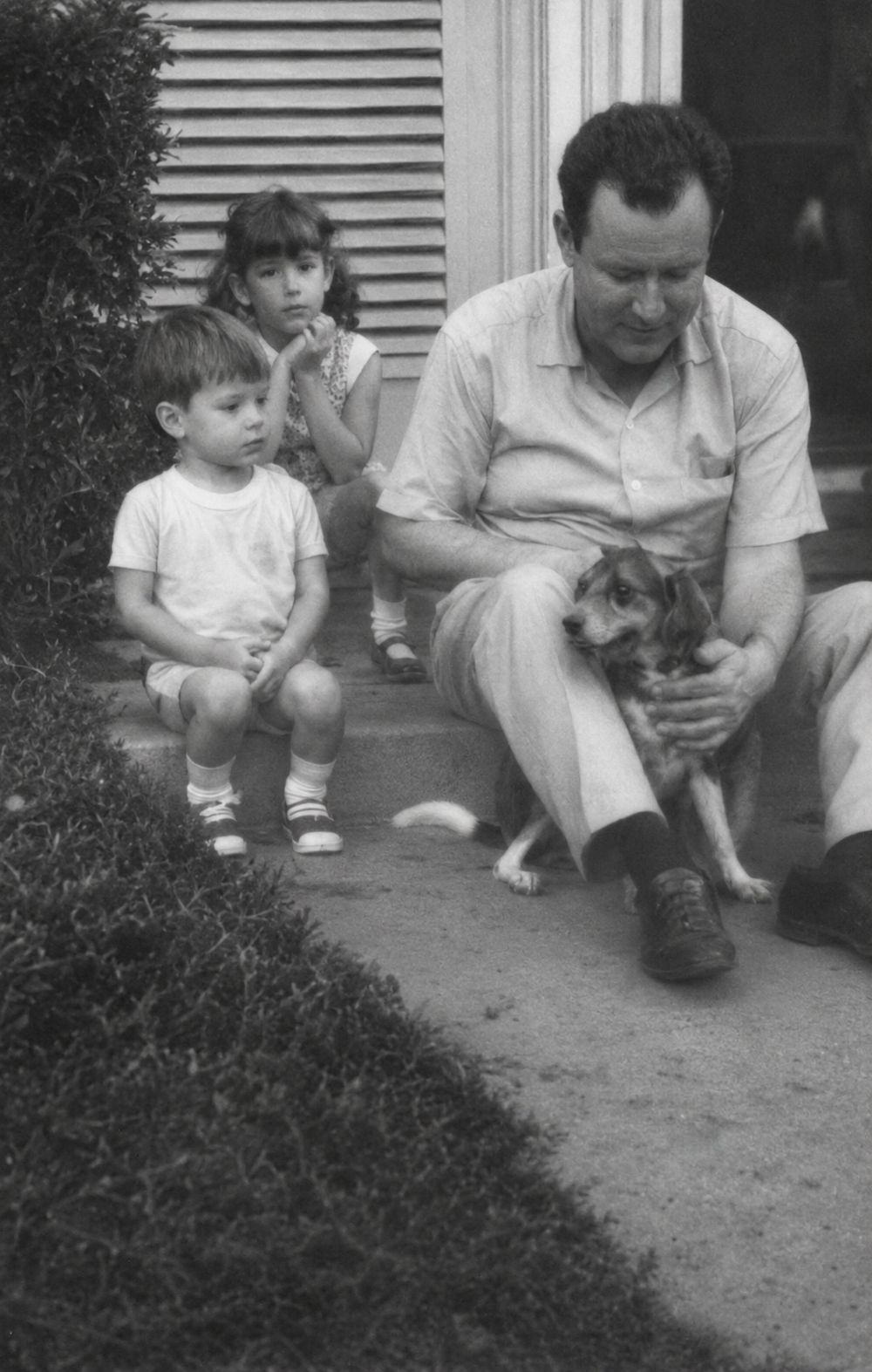
pkwithkids
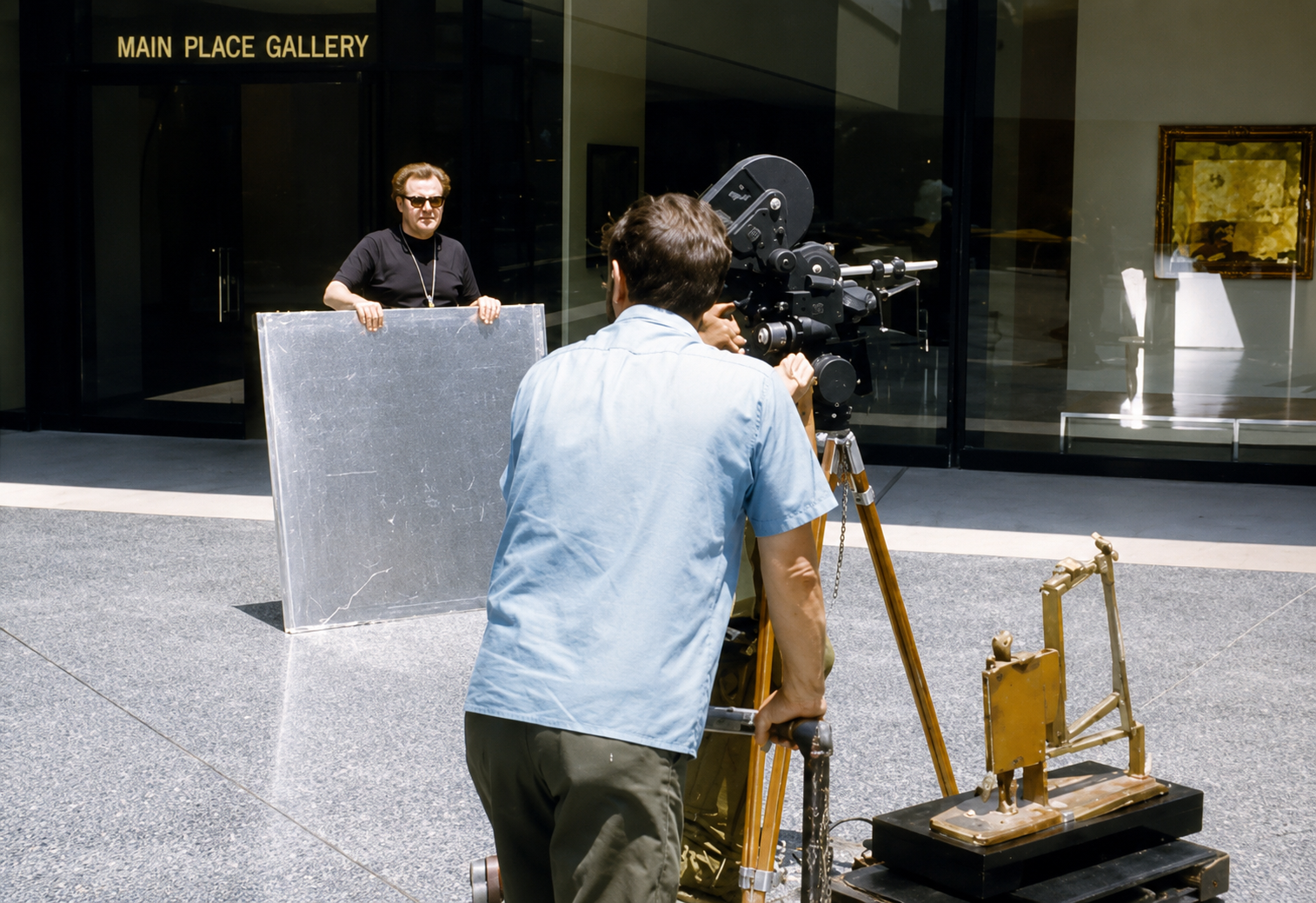
pkonstreet
whitey
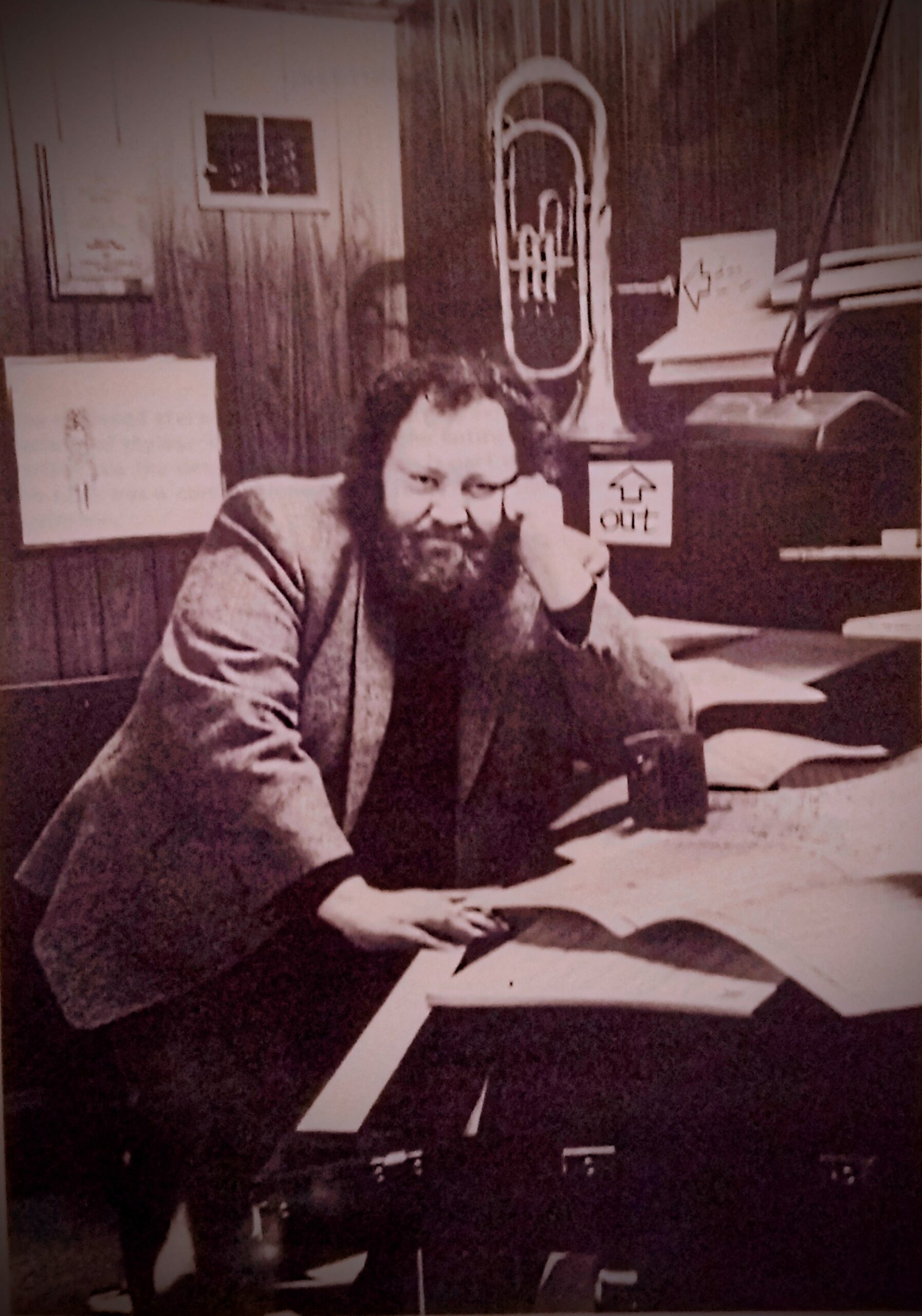
PK Scholar
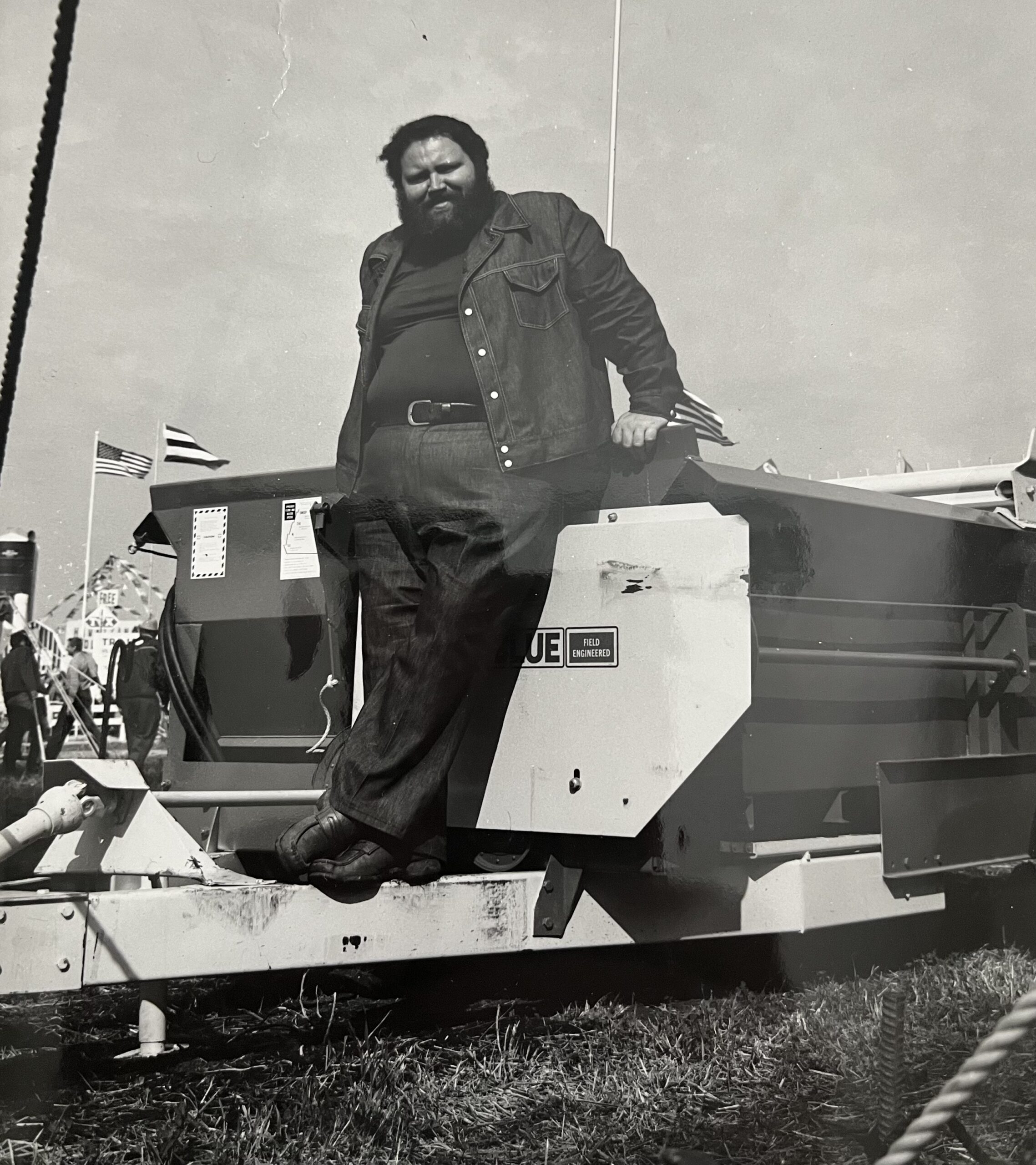
PK train
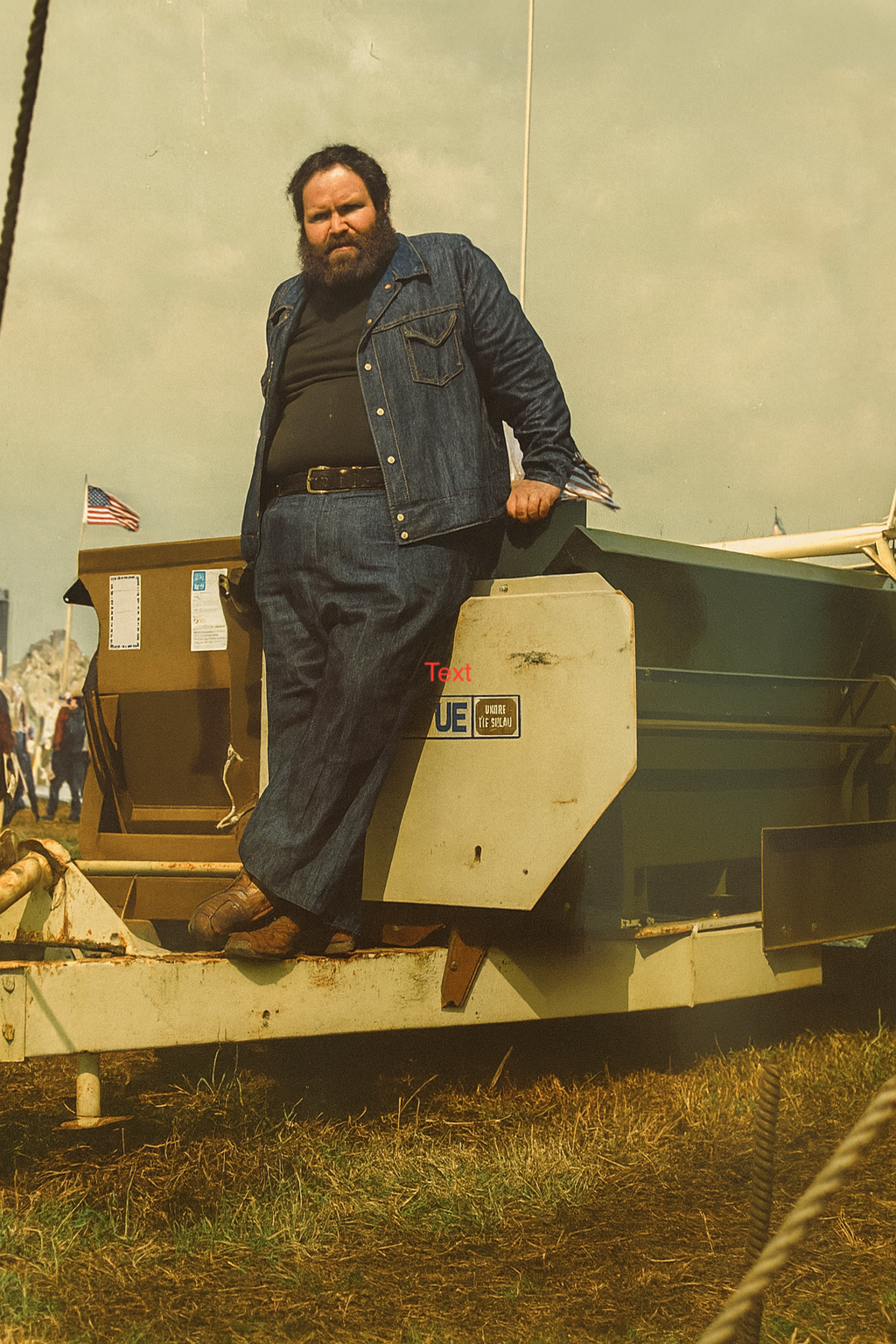
PK Train AI
Phil was commissioned by various symphony orchestras, most notably with the Fort Worth Symphony Orchestra under the direction of John Giordano. Phil met and later married his second wife, Kathy (18 Dec 1992), who was a cellist in that orchestra.
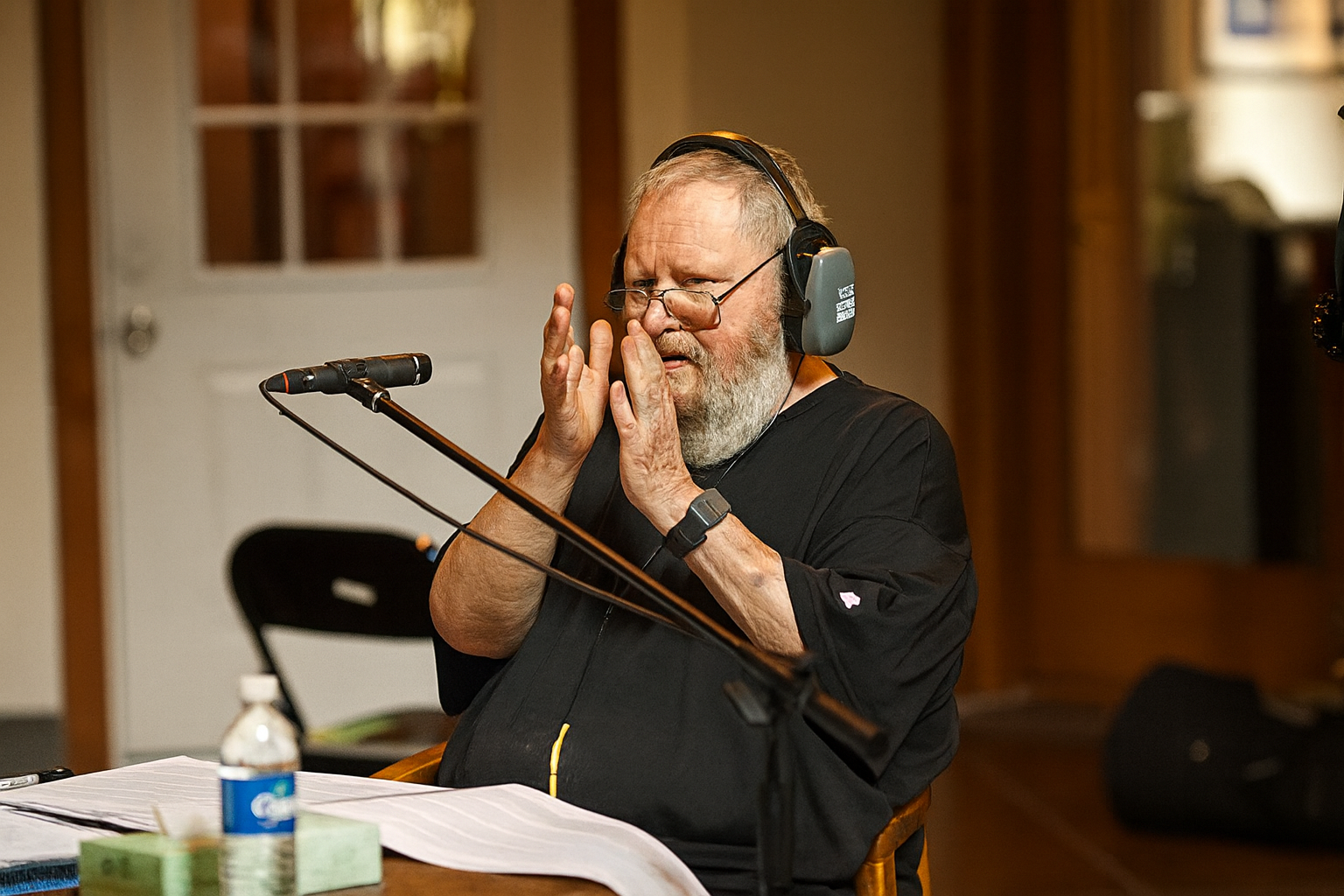
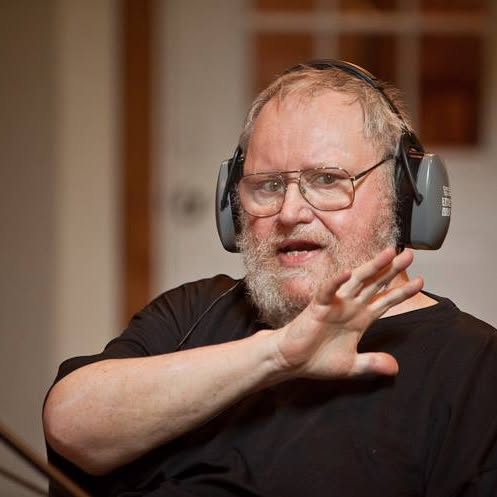
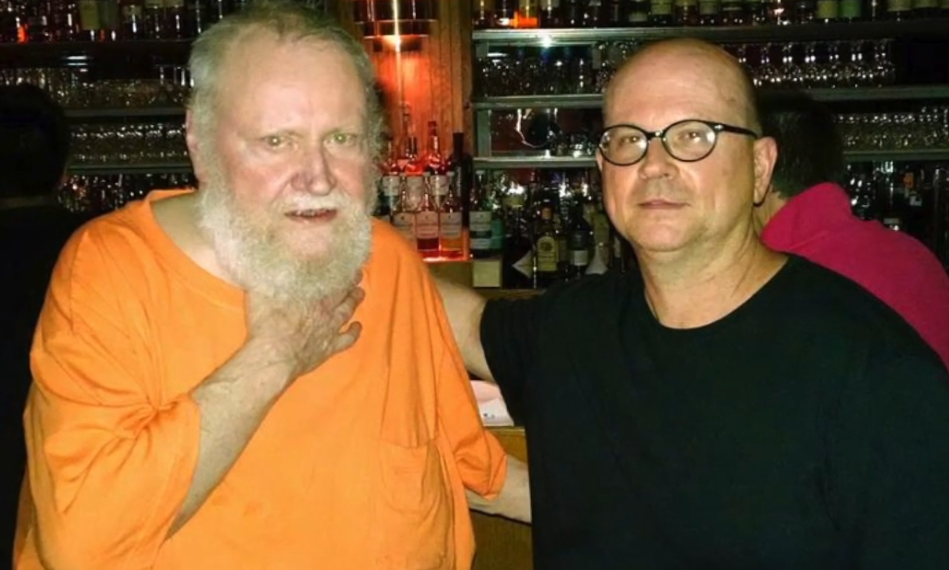
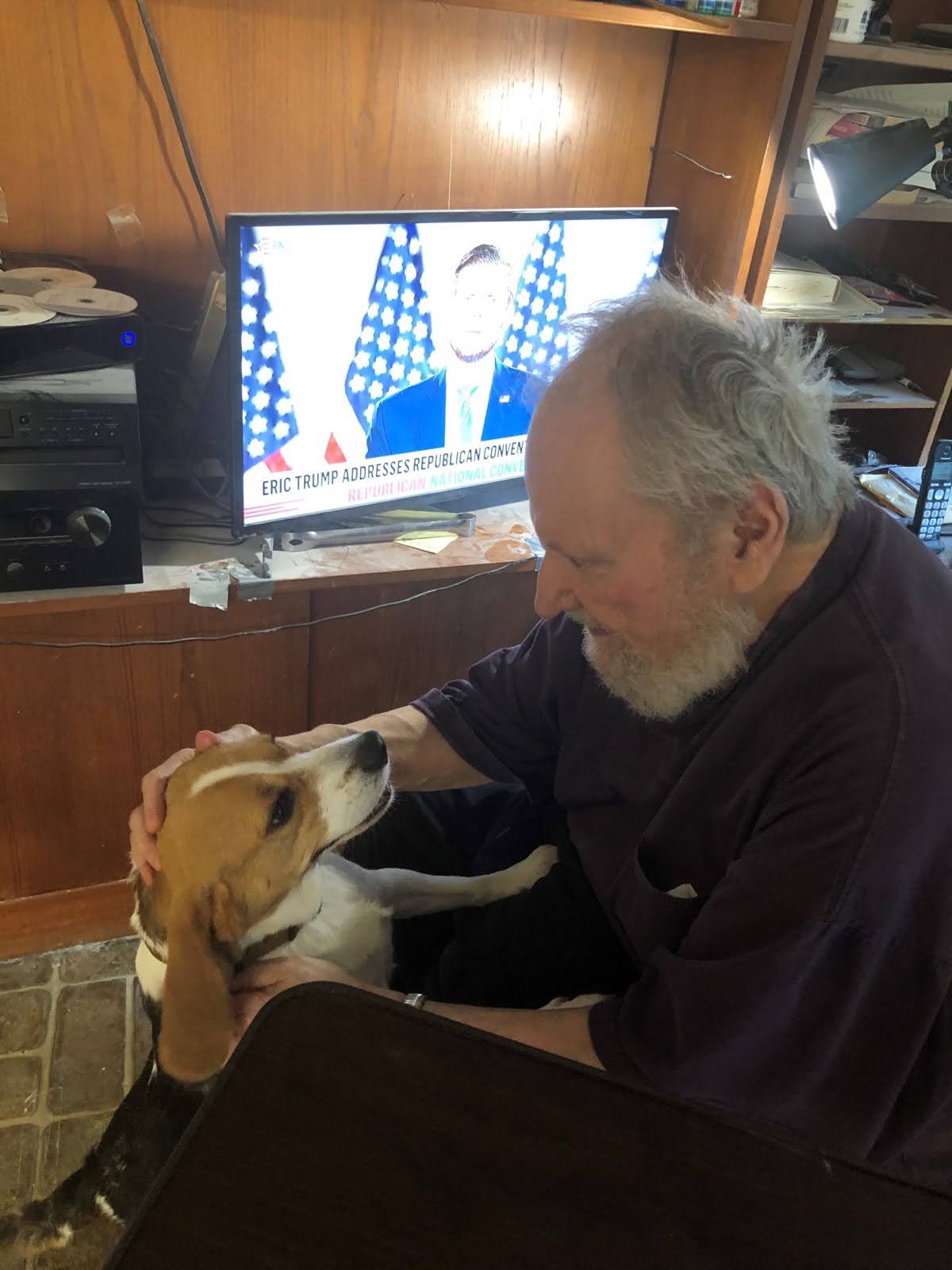
In the late 1990’s Kathy was diagnosed with cancer, and Phil and Kathy decided to move to Bellingham, Washington to enjoy retirement and get away from the heat, traffic and stress in Dallas. Only two years later, Kathy succumbed to cancer and passed away. Phil healed from grief and returned to music in the Seattle scene and made himself a presence in the jazz scene there as well as online. He formed the NW Prevailing Winds to play his arrangements and held concerts, coached big band arranging at the Bud Shank Centrum Jazz Camp, and recorded Convergence Zone with his new band, which earned a Grammy nomination. Over the next few years he recorded a second album with an LA group dubbed The SW Santa Ana Winds (My Museum), arranged for recording artists like Stix Hooper, Primo Kim, Frank D’Rone, and others, and recorded a third album with the NW Prevailing Winds again (Ballet of the Bouncing Beagles).
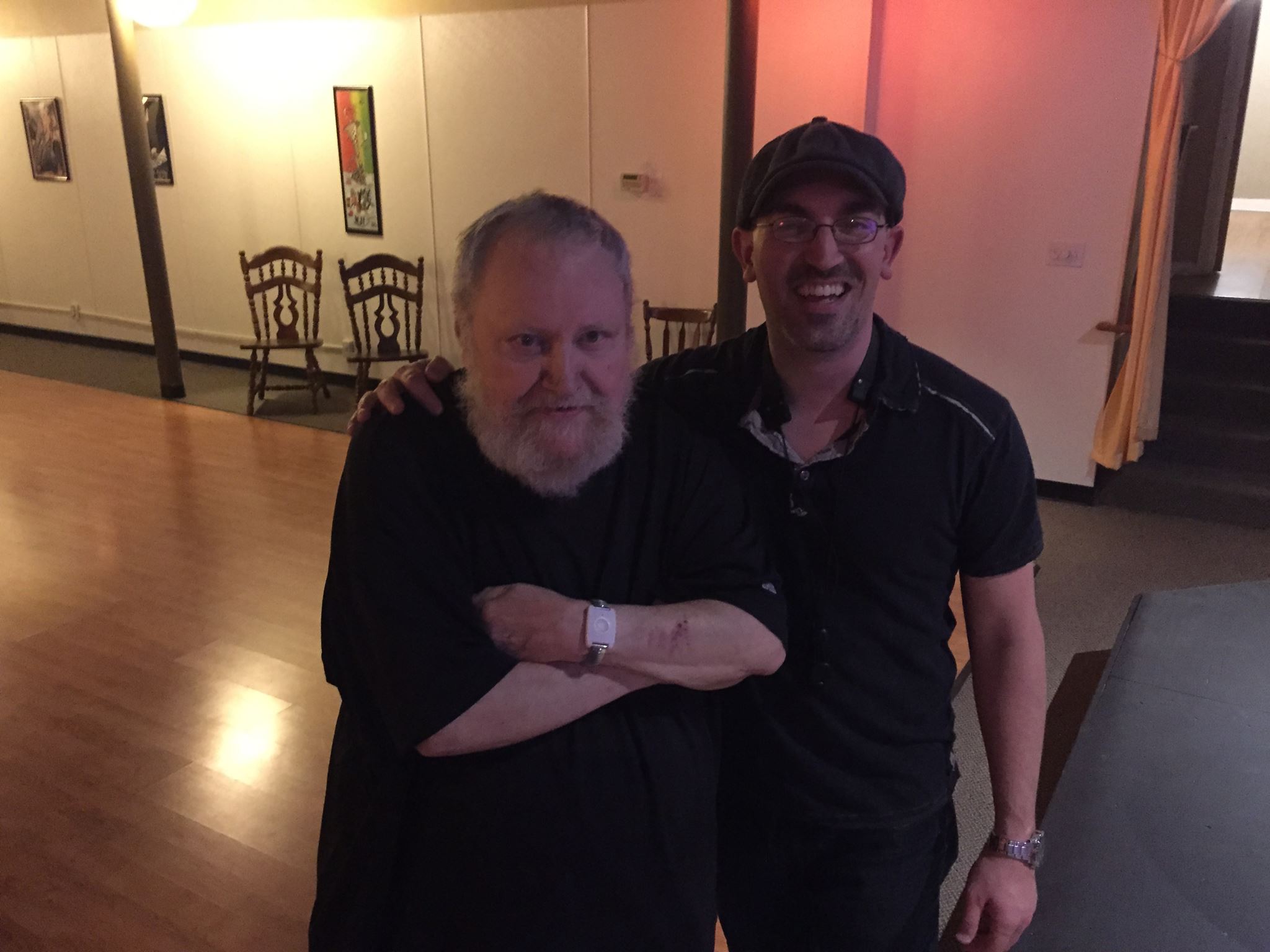
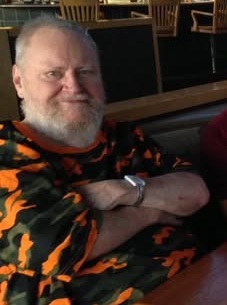
Phil developed macular degeneration over his final years, rendering him increasingly blind, homebound and dependant on help. Mostly Phil communicated by phone, and had contact only with phone calls and home visitors. His mind stayed strong and alert to the end. On November 22, 2023, Phil fell at home and did not recover from the fall.
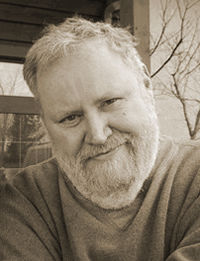
PK 2006
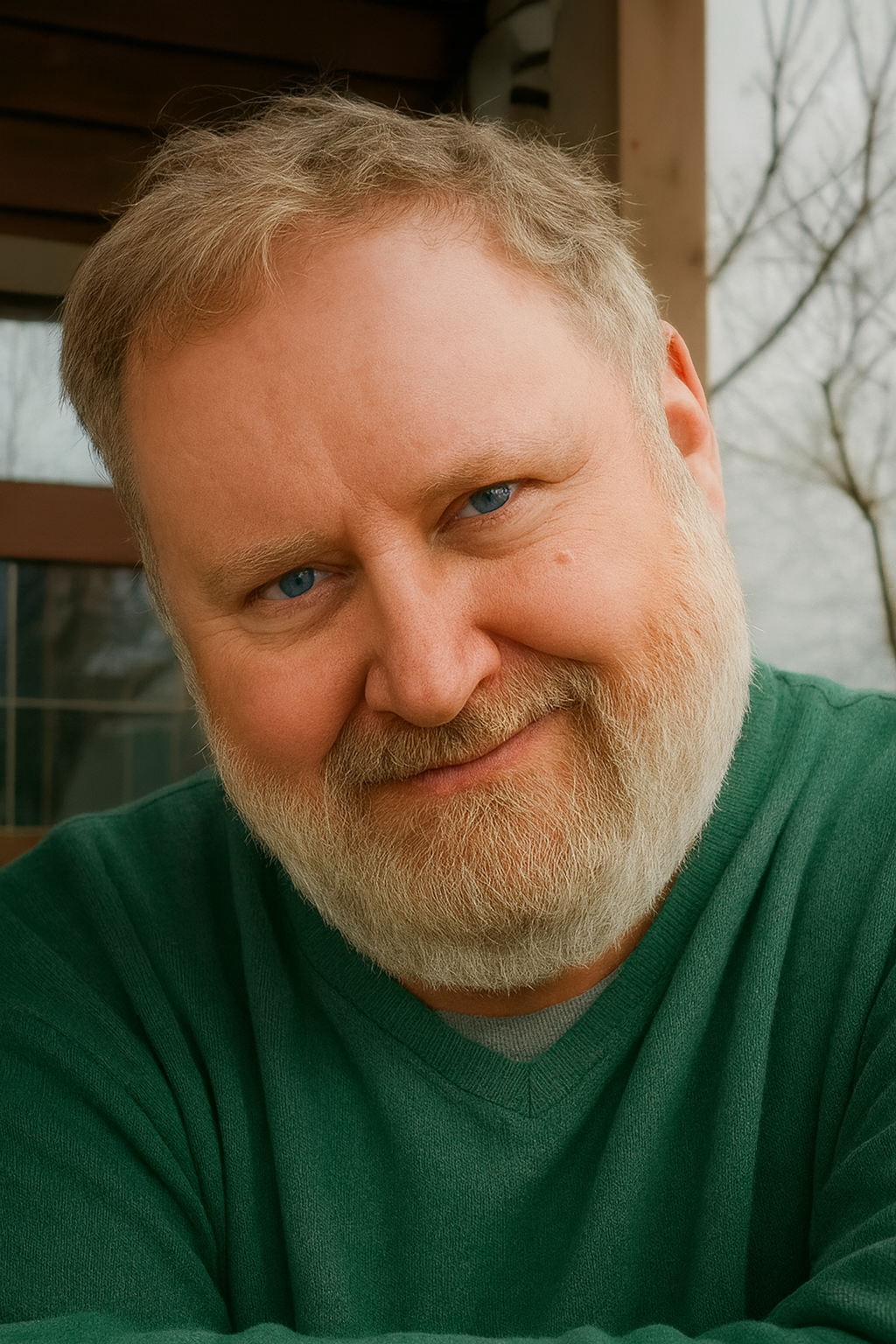
PK Green
PKRECLINING
blurryphil
D3C8B630-00EB-4B80-9D0C-D5807FFBE642
PKDIRECT
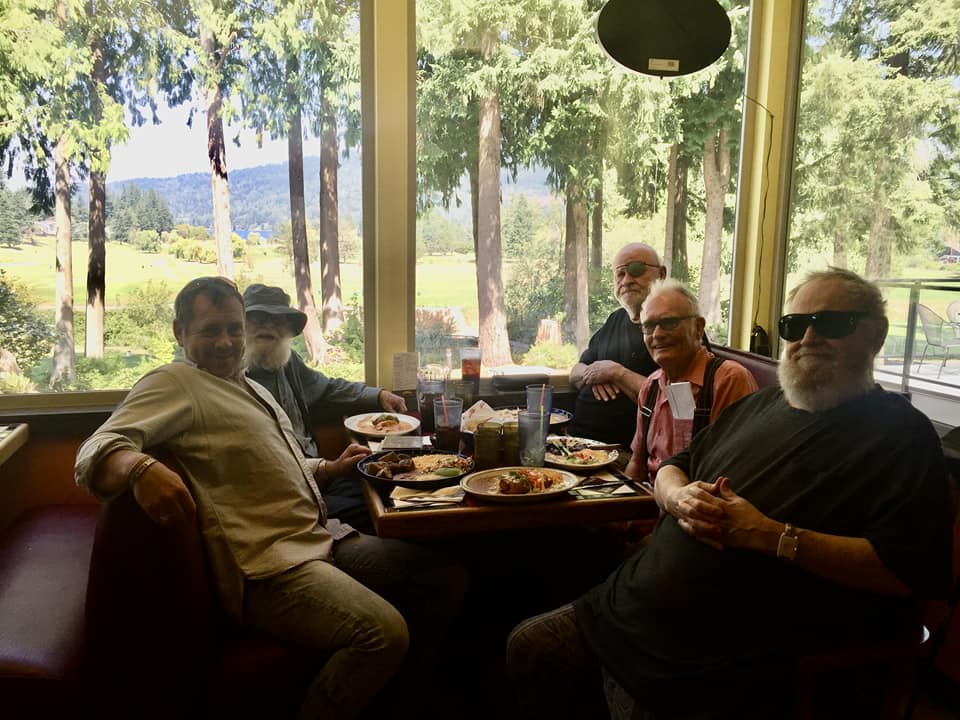
pksuddenvalley.august 17 2015jpg
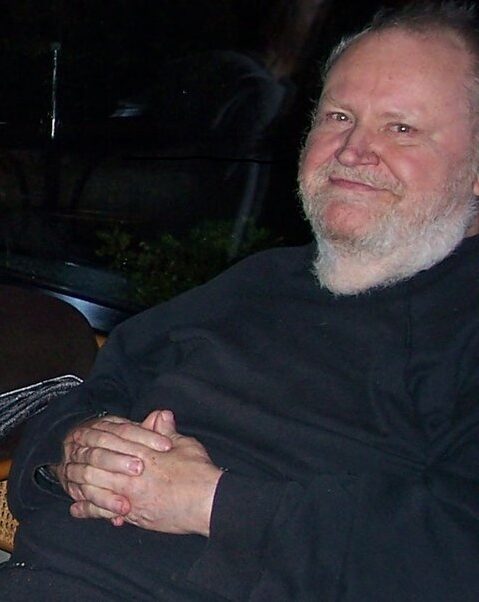
PHIL WITHOUT FAMILY
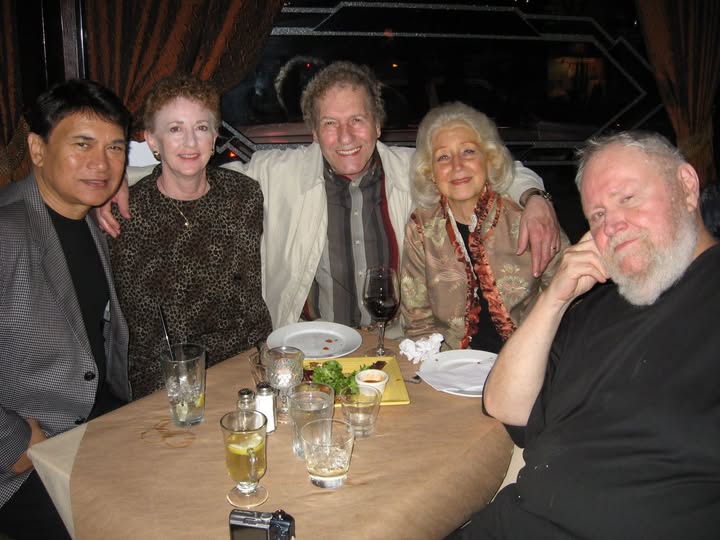
PKPRIMOFRANK
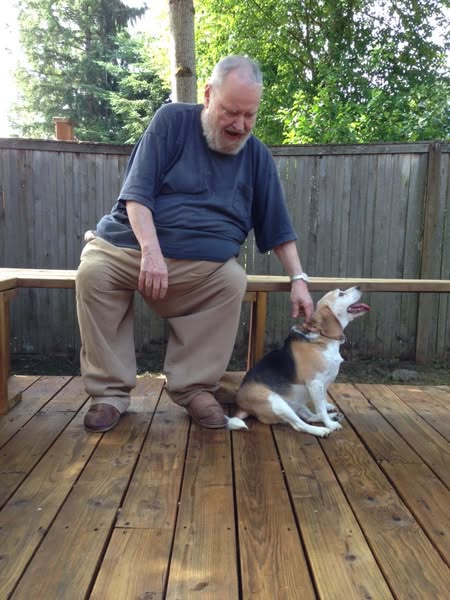
PKPATIO
oldphil
Phil and Daisy